In a possible #altcoin rally, after my post on which sectors are priority, I started describing the sectors.
Fourth and, in my opinion, the most important sector: DeFi
I will elaborate on the insides of this sector in my next posts.
Investing in the DeFi ("Decentralized Finance") sector that develops in a much more institutional way after 2023 is now far beyond the previous talk of adding liquidity to pairs, etc.
The biggest upcoming integration is global swap and global credit developments. This massive integration will have to become part of our daily lives.
1- Automatic lending and traditional banking integration
With the widespread adoption of decentralized finance, the likelihood that we will no longer need to go to a bank branch to take out a loan is high; even now we can use mobile banking for small loans, and larger ones are likely to not require a branch either.
When I talked about the RWA sector, I mentioned tokenized assets, you remember. By locking our tokenized real estate or stocks as collateral in smart contracts, you will be able to pull a loan in stablecoins within seconds without waiting for any "centralized approval" (bank‑credit institution, etc.). This system already works on crypto, and the scenario of it expanding to tokenized assets is important for us.
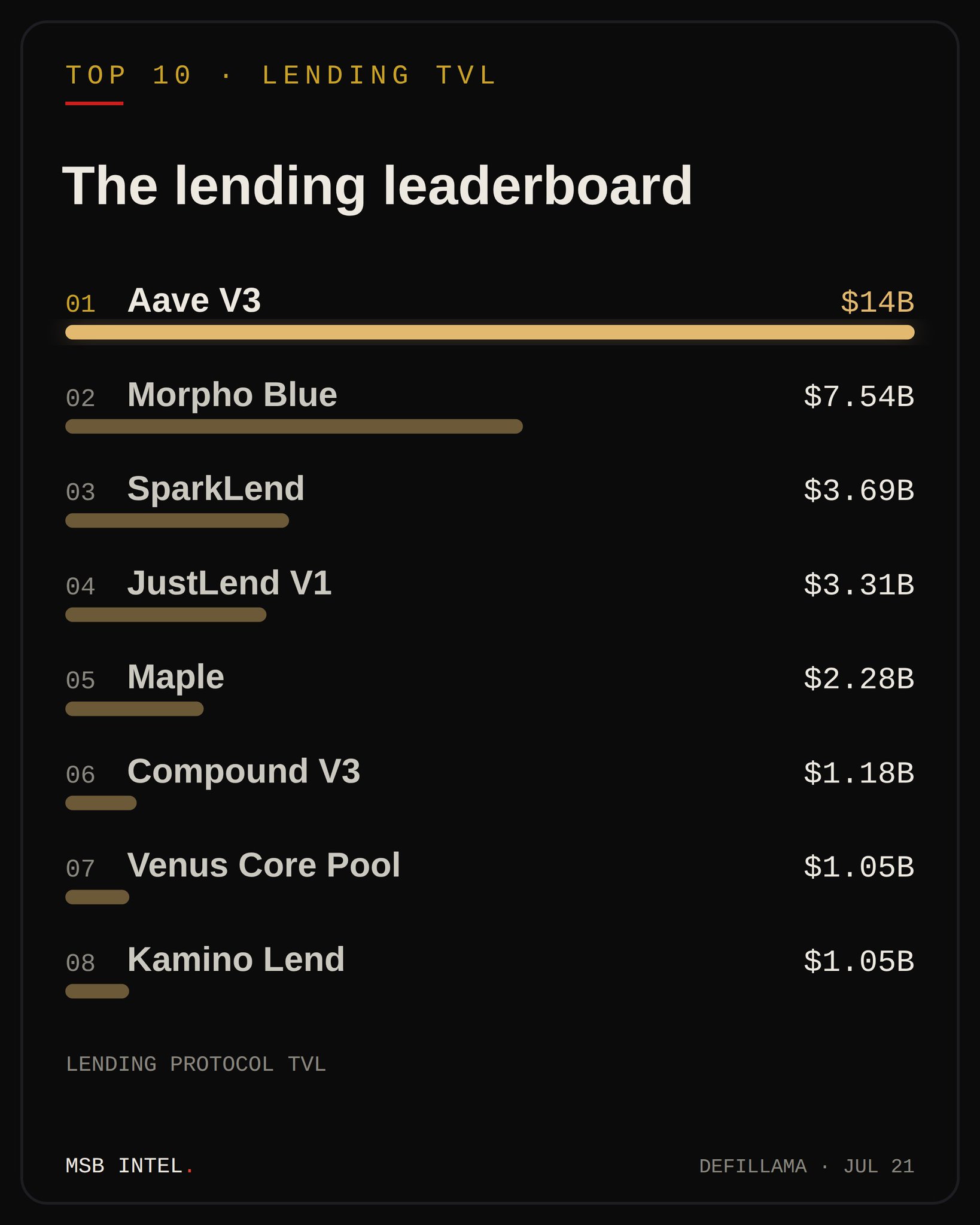
Our focus is on protocols in this sector that have made a name, have high TVL, and have taken care of security.
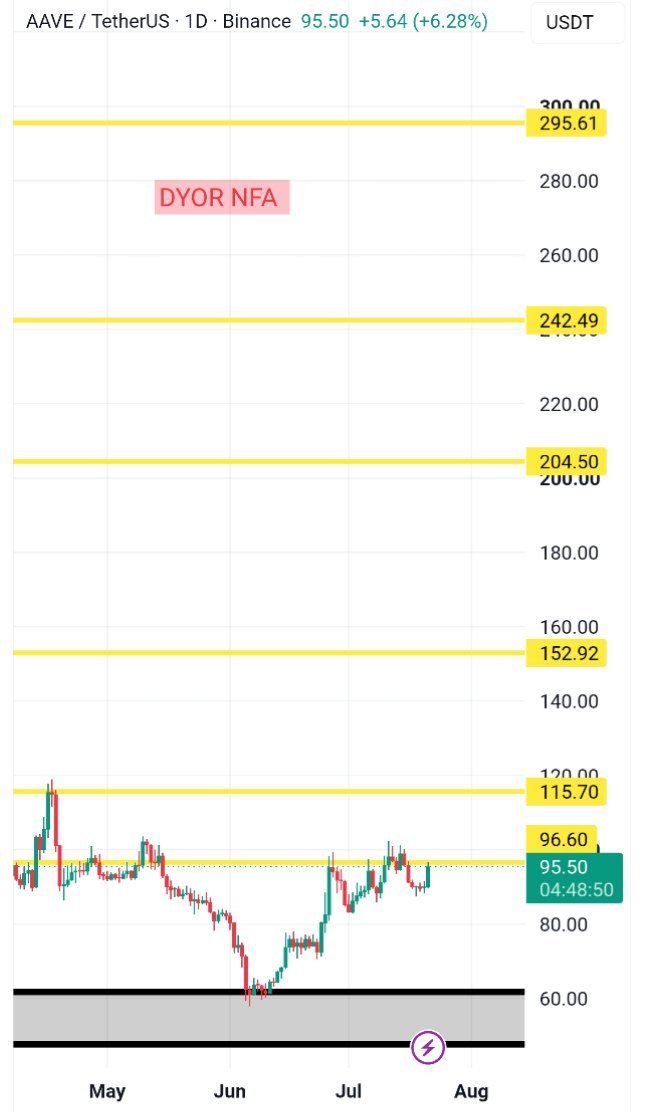
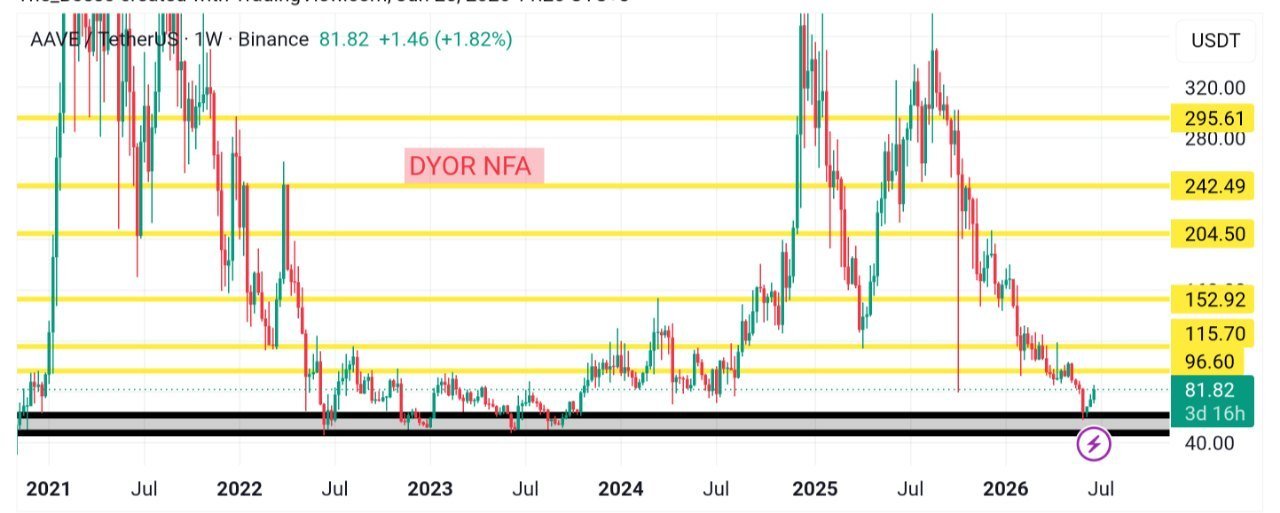
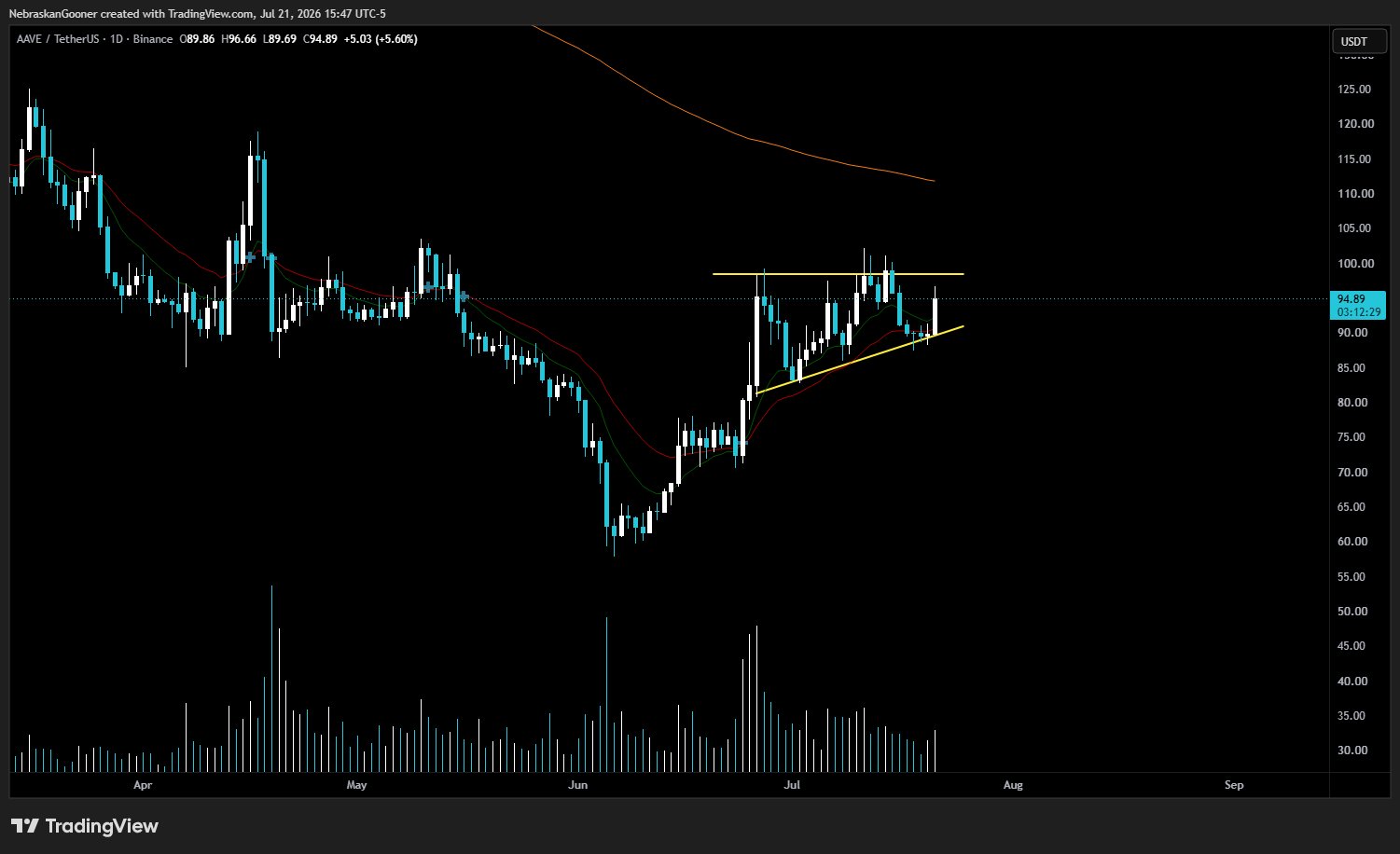
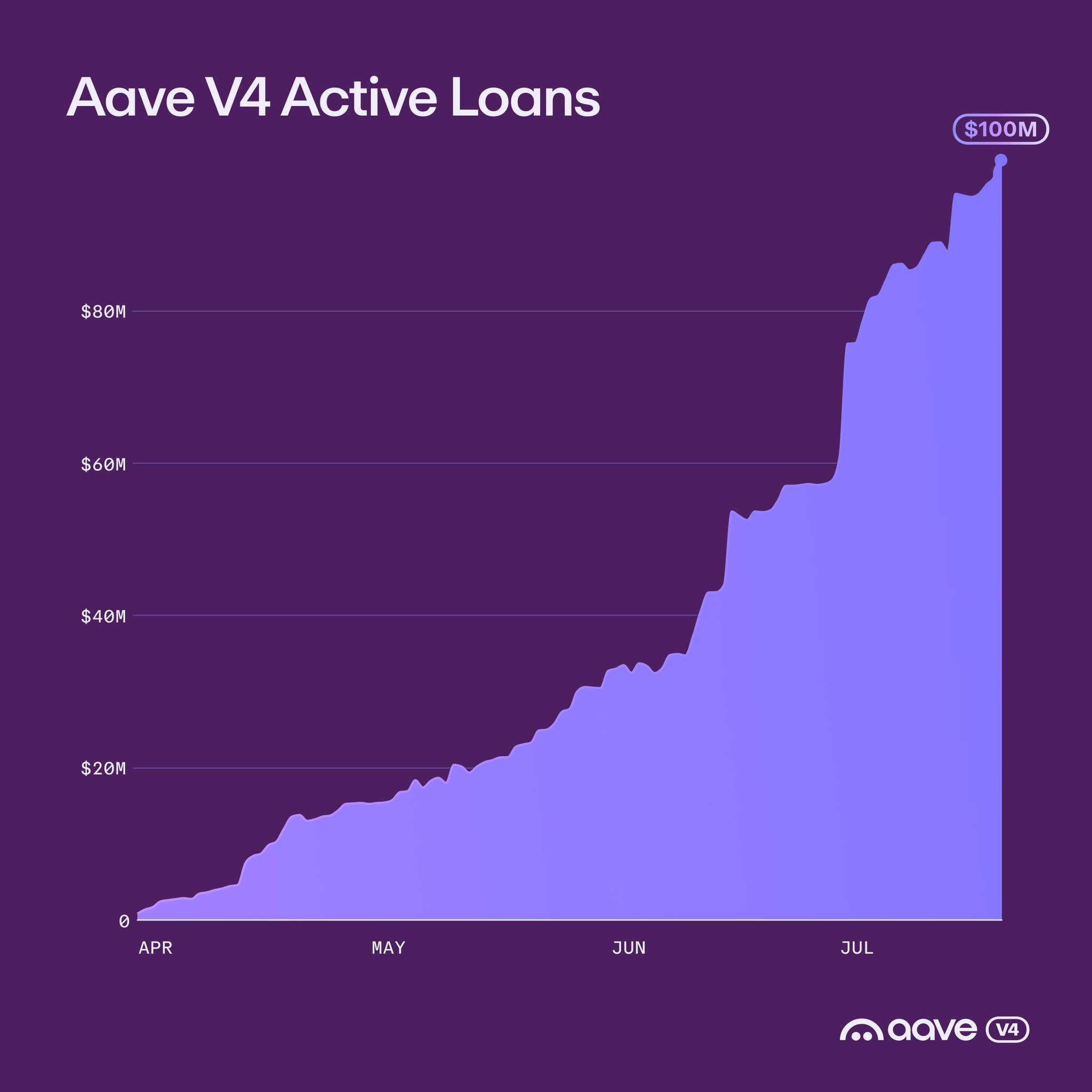
Examples: $AAVE (the recent hack incident is a problem), $MORPHO, $SKY (old MKR), $SYRUP, etc.
2- Capital efficiency and staking
The feature that makes idle money smart money is that the money does not sit idle. The foundation of DeFi in 2026 is "capital efficiency" – the liquid assets you earn in exchange for locked assets (like stETH) can be used for yield in another protocol. The recent AAVE hack is related to this. Therefore, chaining protocols that can create compound yields without fragmenting liquidity is the right approach, and these will be the protocols where institutions will also put money.
3- Institutional DeFi and regulation
If we say we will use it worldwide, then regulatory developments must have definitely occurred. Institutional money will not enter pools such as storage‑borrowing‑staking of wallets with unclear institutional identity.
In the future, DeFi will definitely be split into retail (unauthorized, i.e., currently used) and institutional (authorized/KYC‑approved) – regulated and unregulated. Considering the trillion‑dollar capital that banks and funds will bring, using the legalized ones is mandatory.
Examples now: $ONDO, $CFG, $SYRUP.
4- Yield and token structure
If money flows into a protocol, the coin/token used by that protocol will gain value. So you need to see that the revenue model is on solid ground and check whether it constantly mints its own coin to give out as rewards for pulling money.
Protocols that tie their revenue model to constantly giving out their own coin as rewards cannot survive in this market. Everyone has learned to stay away from inflationary projects. Therefore, focus on protocols with solid revenue models derived from transaction fees on the network. Otherwise they remain just a ponzi.
There are many projects and protocols for DeFi, but the examples given here are already proven. Of course, in the future there may be better, new, hype‑worthy projects, but the same criteria described here will need to be applied.