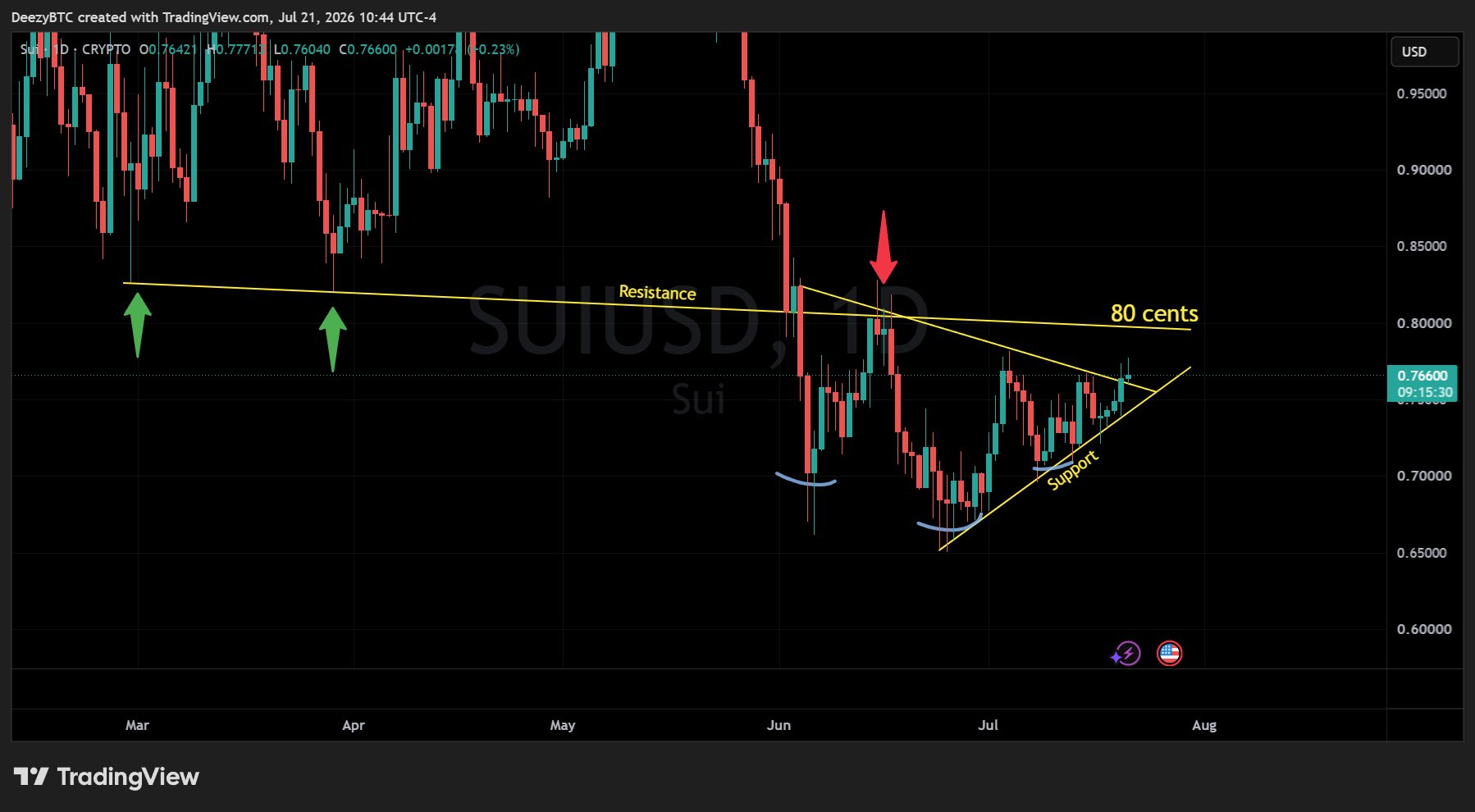
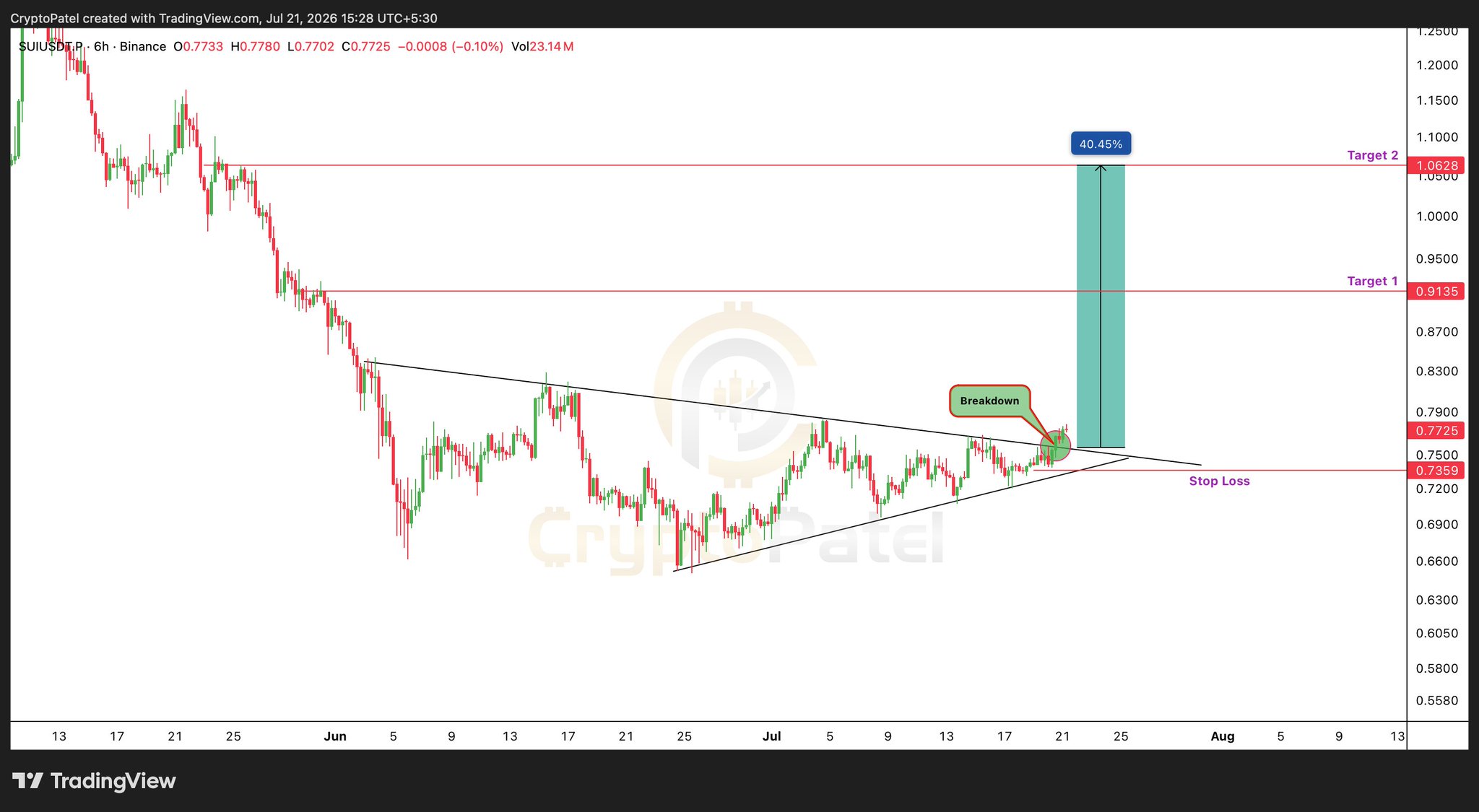
SUI (SUI)
$0.7644 -0.30% 24H
- 54Soziale-Stimmungs-Index (SSI)-33.69% (24h)
- #128Marktimpuls-Ranking (MPR)-64
- 1624-St. in Social Media-27.27% (24h)
- 69%24 Std-Bullisch-Verhältnis9 aktive Meinungsbildner
- Zusammenfassung
- Bullische Signale
- Bärische Signale
Soziale-Stimmungs-Index (SSI)
- Daten insgesamt54SSI
- SSI-Trend (7-Tage)Preis (7 Tage)StimmungsverteilungExtrem bullisch (19%)Bullisch (50%)Neutral (25%)Bärisch (6%)SSI Einblicke
Marktimpuls-Ranking (MPR)
- Warnungseinblick
Beiträge auf X
 shine.di ✦ DeFi_Expert Community_Lead A1.92K @Shine0xorpheuzkaze D15.46K @orpheuskaze22 7 315 Original lesen >Trend von SUI nach VeröffentlichungBullisch
- Trend von SUI nach VeröffentlichungBullisch
 Philose 🦭 OnChain_Analyst DeFi_Expert B5.99K @PhilosePhilose 🦭 OnChain_Analyst DeFi_Expert B5.99K @Philose3 1 198 Original lesen >Trend von SUI nach VeröffentlichungNeutral
- Trend von SUI nach VeröffentlichungNeutral
- Philose 🦭 OnChain_Analyst DeFi_Expert B5.99K @PhilosePhilose 🦭 OnChain_Analyst DeFi_Expert B5.99K @Philose
 7 2 213 Original lesen >Trend von SUI nach VeröffentlichungBullisch
 - Trend von SUI nach VeröffentlichungBullisch
- Trend von SUI nach VeröffentlichungBullisch
 K A L E O TA_Analyst NFT_Expert C728.35K @CryptoKaleo
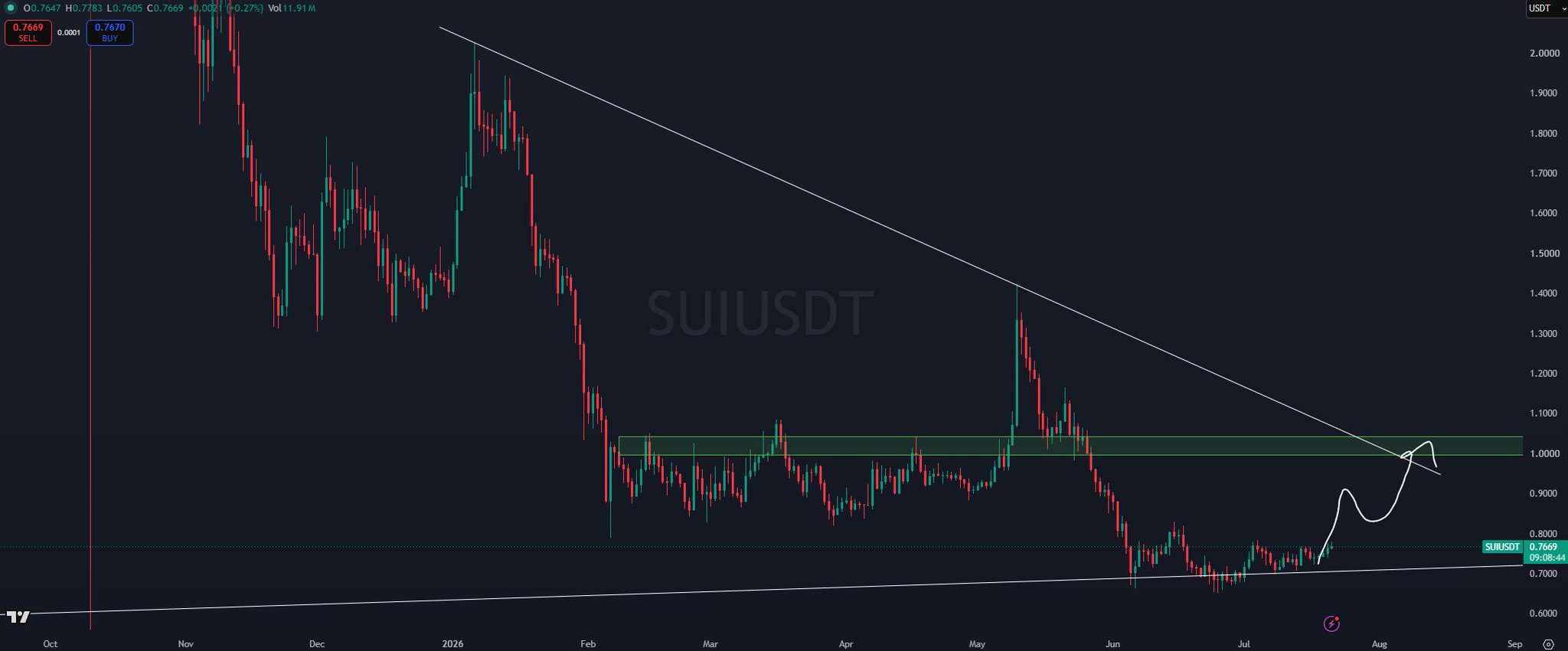 K A L E O TA_Analyst NFT_Expert C728.35K @CryptoKaleo
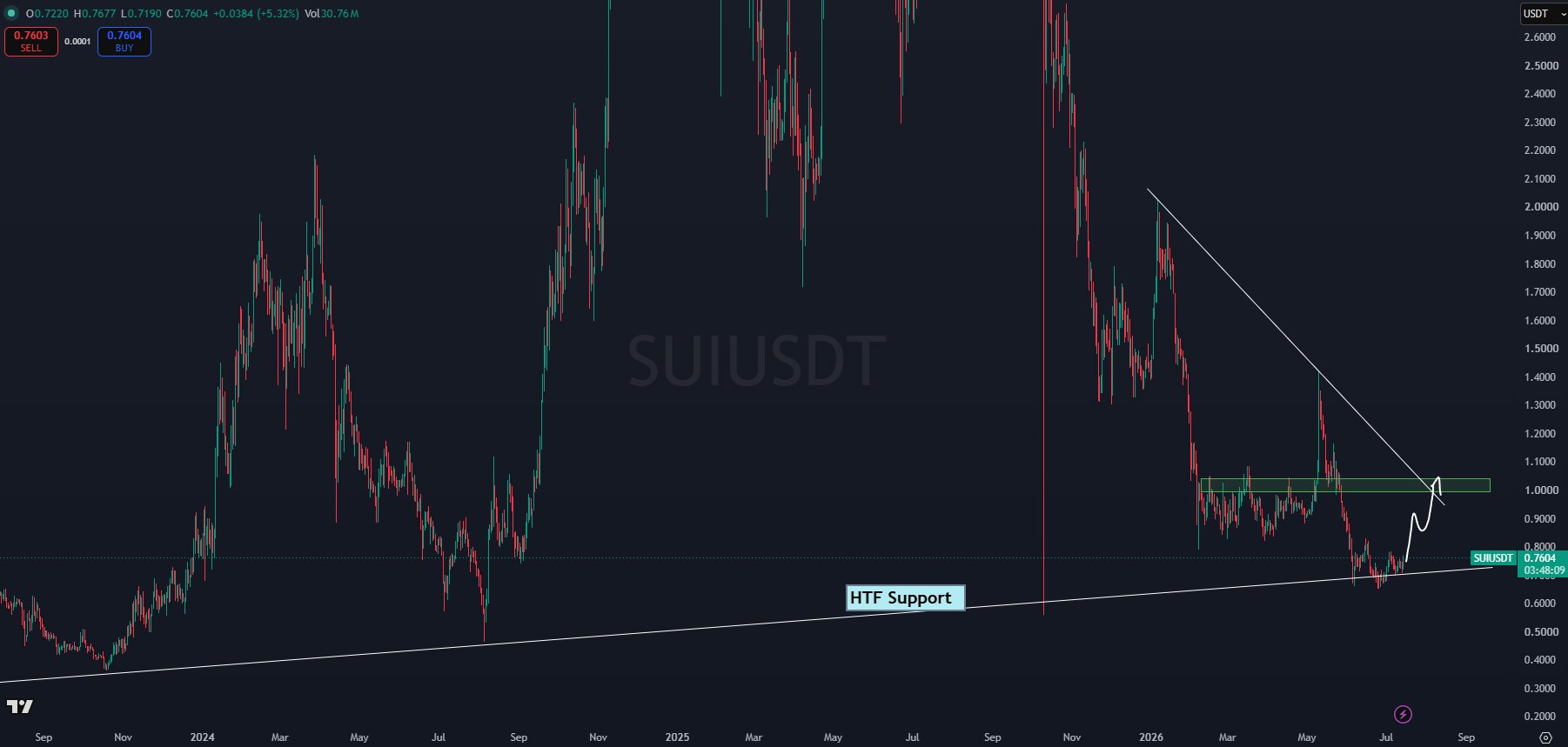 45 24 16.98K Original lesen >Trend von SUI nach VeröffentlichungExtrem bullisch
- Philose 🦭 OnChain_Analyst DeFi_Expert B5.99K @Philose0 0 0 Original lesen >Trend von SUI nach VeröffentlichungNeutral
- Trend von SUI nach VeröffentlichungExtrem bullisch