KernelDAO (KERNEL)

$0.06150  +4.41%  24H

Índice de sentimiento social (ISS)

Clasificación del pulso del mercado (CPM)

Publicaciones de X

  • Axel Bitblaze 🪓 TA_Analyst Media C
     125.45K  @Axel_bitblaze69

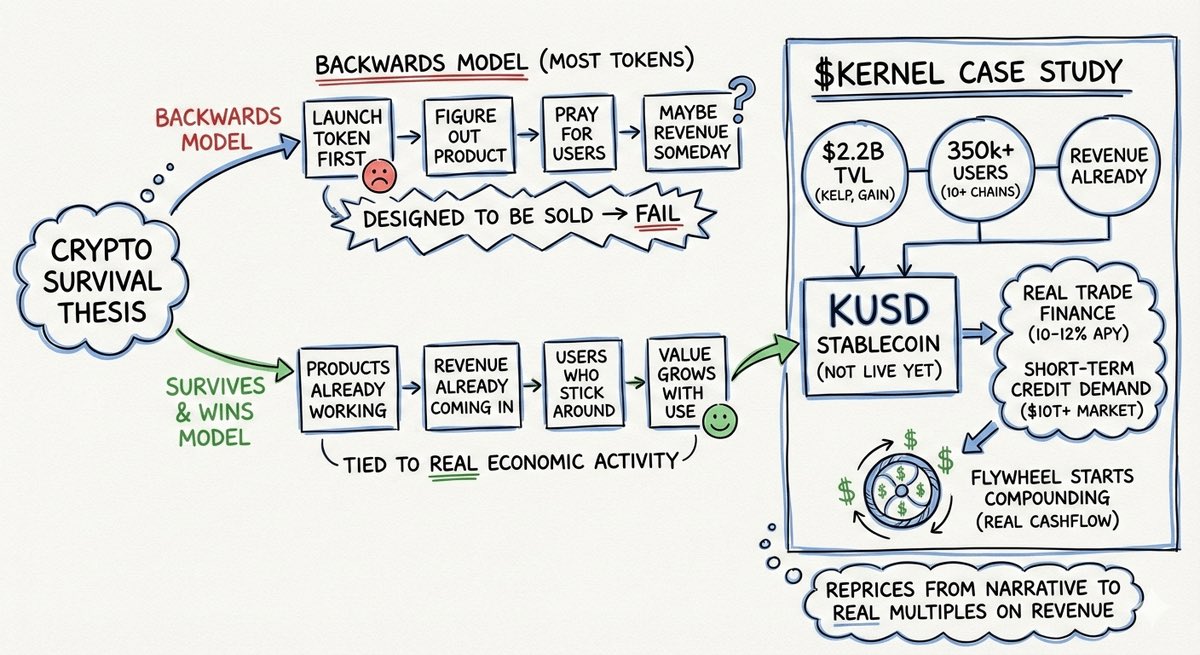
    one pattern i keep seeing with most tokens is pretty obvious. > the token comes first > the business comes later… if at all liquidity shows up for incentives and leaves right after and once hype fades, there’s nothing holding it together. the few tokens that actually survive usually do it the other way around. business first. revenue first. users first. token last.. that’s the lens i’m looking at @kernel_dao | $KERNEL through. now zoom out to stablecoins for a second. rn you basically have 2 choices: - safe but capped yields from treasury wrappers - higher yields from funding rates or leverage that only work in good markets what’s missing is obvious imo. there’s no dominant stablecoin product that gives high yield, backed by real-world credit, that still works when markets go sideways. meanwhile, in the real world, businesses already pay 10–15% annually just to manage payment delays, trade finance, and cross-border settlement gaps. this demand exists regardless of crypto cycles. it’s massive and always on. and crypto doesn’t need to invent yield here. it just needs to route capital better. this is where Kernel quietly gets interesting. the market still prices $KERNEL like it’s just a restaking token but structurally, it’s already more than that. what’s live today: - $2.2B+ TVL already managed - Kelp leading ETH LRT with ~$1.6B - Gain running top-performing yield vaults - 350k+ users across 10+ chains - real revenue already flowing this isn’t a team waiting to ship. it’s already operating. the real shift comes with KUSD. KUSD adds a revenue engine. targeting ~10–12% APY, sourced from real payment settlements and trade finance. not treasuries. not funding rates. not leverage loops. at scale, the math speaks for itself. $10B deployed with a ~1% take is $100M+ in annual revenue. that revenue flows back into the Kernel ecosystem and compounds across restaking, vaults, and credit rails. and that’s why this matters for pricing. today, people see a restaking token. post-KUSD, the correct frame is revenue-generating RWA credit infrastructure the advantage Kernel has is simple. it’s not building this from zero. it already has: - distribution via @KelpDAO - yield expertise via Gain - credit rails via Kred - proven scale very few RWA teams can say that. imo this cycle won’t reward tokens designed to be sold. it’ll reward tokens designed to own real economic flows and $KERNEL just happens to be priced like the former, while quietly becoming the latter. that gap is the opportunity.

     34  18  2.93K
    Original >
    Tendencia de KERNEL tras el lanzamiento
     Extremadamente alcista
    KERNEL is undervalued, its KUSD stablecoin will generate real revenue and has huge growth potential.
  • CryptoTrader Trader TA_Analyst B
     27.42K  @TraderEthem

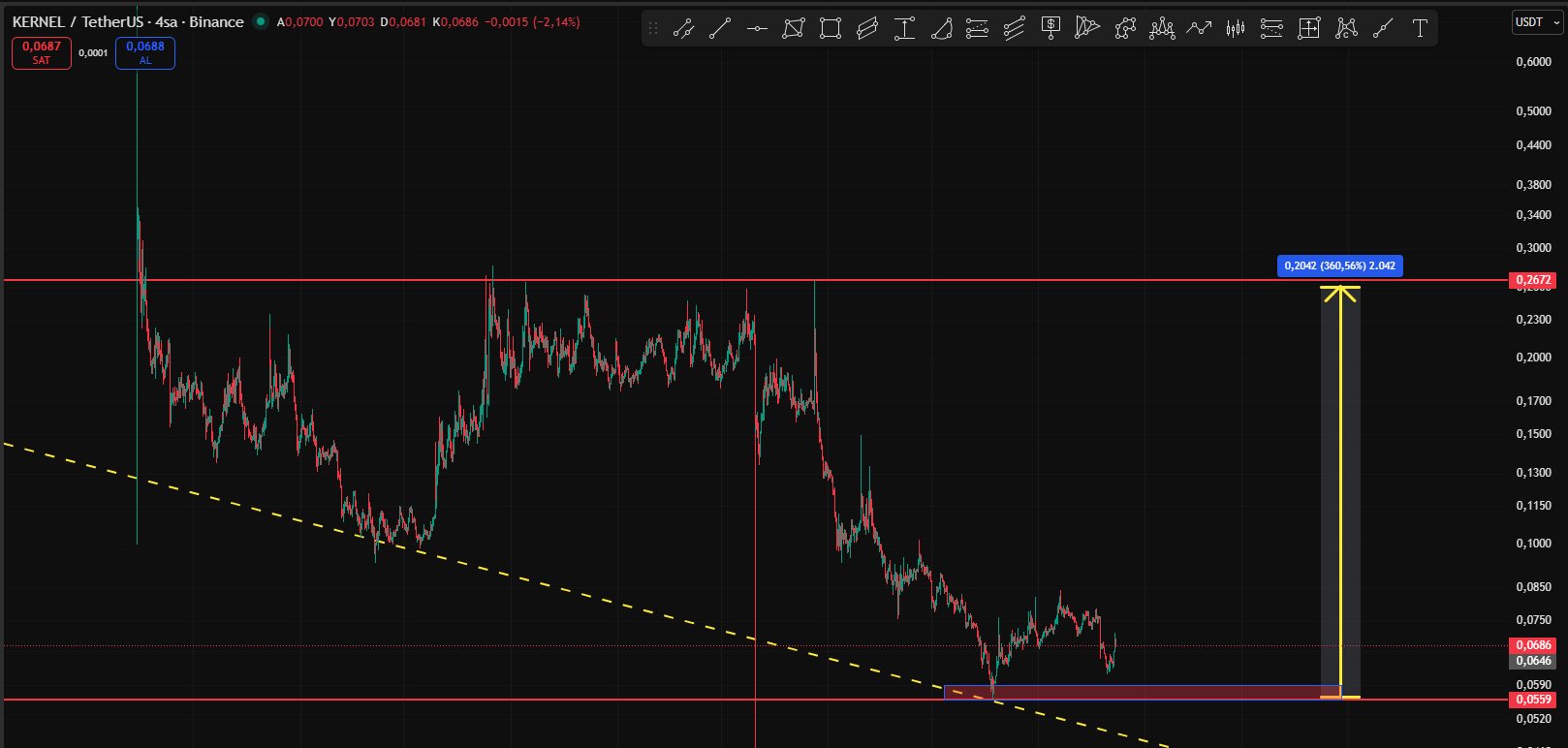
    #KERNEL 0,050 / 0,055 level demand zone. Those who want to evaluate should follow this level. https://t.co/sugJTtdKV4

     98  6  5.09K
    Original >
    Tendencia de KERNEL tras el lanzamiento
     Alcista
    KERNEL has demand in the $0.050-$0.055 range, with a 360% upside potential from this zone.
  • Hercules | DeFi DeFi_Expert Educator C
     46.69K  @Hercules_Defi

    If you think you understand what $KERNEL is all about, trust me you don't Some value $KERNEL as just another restaking token or infra exposure with no clear revenue narrative, these thoughts are wrong. 𝘑𝘶𝘴𝘵 𝘵𝘰 𝘯𝘰𝘵𝘦, 𝘒𝘦𝘳𝘯𝘦𝘭 𝘪𝘴𝘯’𝘵 𝘱𝘰𝘴𝘪𝘵𝘪𝘰𝘯𝘪𝘯𝘨 𝘧𝘰𝘳 𝘵𝘩𝘦 𝘯𝘦𝘹𝘵 𝘋𝘦𝘍𝘪 𝘤𝘺𝘤𝘭𝘦, 𝘪𝘵’𝘴 𝘱𝘰𝘴𝘪𝘵𝘪𝘰𝘯𝘪𝘯𝘨 𝘢𝘴 𝘵𝘩𝘦 𝘤𝘦𝘯𝘵𝘦𝘳 𝘰𝘧 𝘳𝘦𝘢𝘭 𝘸𝘰𝘳𝘭𝘥 𝘱𝘢𝘺𝘮𝘦𝘯𝘵 𝘧𝘪𝘯𝘢𝘯𝘤e. The team behind @KelpDAO is already managing $2.2B in live TVL across complex systems They’re using that distribution, execution track record, and infrastructure to launch kUSD, a yield-bearing stablecoin backed by real payment financing. ------------------------------- 𝐖𝐡𝐲 k𝐔𝐒𝐃? Most stablecoin yield today falls into two buckets, on one side, you have typical yields capped at 4-5% APY and on other side, you have high yields that fluctuate kUSD doesn’t sit in either category, its yield comes from payment settlement gaps and trade finance. Users don’t want to wait for days to get paid, they need liquidity now and they already pay 10–15% annually for that speed. Kernel is simply routing that demand through stablecoins instead of slow, expensive banking rails. 𝘛𝘩𝘦 𝘳𝘦𝘴𝘶𝘭𝘵 𝘪𝘴 𝘢 𝘴𝘵𝘢𝘣𝘭𝘦𝘤𝘰𝘪𝘯 𝘺𝘪𝘦𝘭𝘥𝘪𝘯𝘨 10–12% 𝘈𝘗𝘠, 𝘴𝘰𝘶𝘳𝘤𝘦𝘥 𝘧𝘳𝘰𝘮 𝘳𝘦𝘢𝘭 𝘦𝘤𝘰𝘯𝘰𝘮𝘪𝘤 𝘢𝘤𝘵𝘪𝘧𝘪𝘵𝘪𝘧𝘪𝘣𝘪𝘵𝘦, 𝘯𝘰𝘵 𝘴𝘱𝘦𝘤𝘶𝘭𝘢𝘵𝘪𝘷𝘦 𝘱𝘰𝘴𝘪𝘵𝘪𝘰𝘯𝘪𝘯𝘨. The result is a stablecoin yielding 10–12% APY, sourced from real economic activity, not speculative positioning. ------------------------------- 𝐖𝐡𝐲 𝐓𝐡𝐢𝐬 𝐘𝐢𝐞𝐥𝐝 𝐈𝐬 𝐃𝐢𝐟𝐟𝐞𝐫𝐞𝐧𝐭 The key insight here is that this yield isn’t dependent on a cycle, because the demand for instant liquidity exists in every market environment. k𝘜𝘚𝘋 𝘶𝘴𝘦𝘳𝘴 𝘦𝘢𝘳𝘯 10–12%, 𝘵𝘩𝘦 𝘱𝘳𝘰𝘵𝘰𝘤𝘰𝘭 𝘬𝘦𝘦𝘱𝘴 𝘢 𝘮𝘰𝘥𝘦𝘴𝘵 𝘪𝘯 𝘤𝘢𝘱𝘪𝘵𝘢𝘭 𝘴𝘱𝘳𝘦𝘢𝘥 𝘢𝘯𝘥 𝘵𝘩𝘦 𝘣𝘶𝘴𝘪𝘯𝘦𝘴𝘴𝘦𝘴 𝘴𝘵𝘪𝘭𝘭 𝘨𝘦𝘵 𝘧𝘢𝘴𝘵𝘦𝘙 𝘢𝘤𝘤𝘦𝘴𝘴 𝘵𝘰 𝘤𝘢𝘱𝘪𝘵𝘢𝘭. This is a system that makes everyone wins. ------------------------------- 𝐓𝐡𝐞 𝐓𝐞𝐚𝐦 The team behind kernel and looking to launch kUSD has a very good track record:, they already operate: ➢ Kelp (rsETH) with $1.6B TVL ➢ Gain vaults with $170M TVL ➢ Over $2.2B in assets managed, live, today Running large‑scale restaking and vault systems is not easy, it requires risk management, operational discipline, and real user trust. If a team can handle that level of complexity, moving into payment financing is not a leap, it’s just the right step. ------------------------------- 𝐖𝐡𝐲 𝐓𝐡𝐢𝐬 𝐁𝐞𝐜𝐨𝐦𝐞𝐬 𝐚 $100𝐌+ 𝐑𝐞𝐯𝐞𝐧𝐮𝐞 𝐏𝐫𝐨𝐭𝐨𝐜𝐨𝐥 If kUSD reaches $10B in deployed capital which is conservative relative to the size of global payment finance, And Kernel earns roughly 1% on that flow, you’re looking at $100M+ in annual protocol revenue. 𝘛𝘩𝘢𝘵 𝘳𝘦𝘷𝘦𝘯𝘶𝘦 𝘥𝘰𝘦𝘴𝘯’𝘵 𝘦𝘹𝘪𝘴𝘵 𝘢𝘴 𝘢 𝘣𝘶𝘣𝘣𝘭𝘦, 𝘪𝘵 𝘧𝘦𝘦𝘥𝘴 𝘣𝘢𝘤𝘬 𝘪𝘯𝘵𝘰 $𝘒𝘌𝘙𝘕𝘌𝘓, 𝘤𝘳𝘦𝘥𝘪𝘵 𝘪𝘯𝘧𝘳𝘢𝘴𝘵𝘳𝘶𝘤𝘵𝘶𝘳𝘦 𝘧𝘦𝘦𝘴, 𝘷𝘢𝘶𝘭𝘵 𝘱𝘳𝘰𝘥𝘶𝘤𝘵𝘴 𝘢𝘯𝘥 𝘵𝘩𝘦 𝘣𝘳𝘰𝘢𝘥𝘦𝘳 𝘒𝘦𝘳𝘯𝘦𝘭 𝘦𝘤𝘰𝘴𝘺𝘴𝘵𝘦𝘮 𝘧𝘭𝘺𝘸𝘩𝘦𝘦𝘭 Today, the market prices $KERNEL as restaking exposure. and this should be different Post-KUSD. ------------------------------- 𝐖𝐡𝐲 𝐂𝐚𝐩𝐢𝐭𝐚𝐥 𝐖𝐢𝐥𝐥 𝐆𝐫𝐚𝐯𝐢𝐭𝐚𝐭𝐞 𝐇𝐞𝐫𝐞 Once kUSD goes live, the stablecoin landscape fundamentally changes. For the first time, the trade‑off investors have been forced to accept begins to disappear. Safe options like ONDO offer reliability, but their yields are structurally capped in the low single digits. On the other end of the spectrum, products like Ethena promise higher returns, but only by exposing users to reflexive, cycle‑dependent crypto risk. k𝘜𝘚𝘥 𝘣𝘳𝘦𝘢𝘬𝘴 𝘵𝘩𝘢𝘵 𝘣𝘪𝘯𝘢𝘳𝘺, 𝘪𝘵 𝘰𝘧𝘧𝘦𝘳𝘴 𝘩𝘪𝘨𝘩 𝘺𝘪𝘦𝘭𝘥 𝘸𝘪𝘵𝘩𝘰𝘶𝘵 𝘳𝘦𝘭𝘺𝘪𝘯𝘨 𝘰𝘯 𝘴𝘱𝘦𝘤𝘶𝘭𝘢𝘵𝘪𝘷𝘦 𝘮𝘦𝘤𝘩𝘢𝘯𝘪𝘤𝘴 𝘳𝘦𝘨𝘢𝘳𝘥𝘭𝘦𝘴𝘴 𝘰𝘍 𝘮𝘢𝘳𝘬𝘦𝘵 𝘤𝘰𝘯𝘥𝘪𝘵𝘪𝘰𝘯𝘴. In a market that constantly struggles to balance safety and performance, that combination is rare.

    Kelp D
     109.21K  @KelpDAO

    How KUSD manages risk: Designed for real-world credit KUSD isn't backed by promises or hope; verification, rules, and automated defenses secure it. Here’s how: 🧵 https://t.co/ija1QbDwRf

     63  25  6.64K
    Original >
    Tendencia de KERNEL tras el lanzamiento
     Extremadamente alcista
    Kernel protocol kUSD offers 10-12% high yields, empowering $KERNEL.
  • Tanaka DeFi_Expert FA_Analyst A
     41.54K  @Tanaka_L2

    I think $KERNEL, @KelpDAO is one of the most mispriced tokens right now. The market still treats it like just another restaking play. What people are missing is $KUSD = a stablecoin targeting 10-12% yield from real payment financing. – Payment settlement gaps - cash needed before payments clear. – Trade finance / invoice financing - 7-12% IRL, already standard. – Cross-border FX timing mismatches. These are bank-grade businesses that already exist. Kernel is just making them faster, cheaper, and onchain. KUSD aims for high yield + real-world credit + bear-market resilience. Post-KUSD, KelpDAO should be priced like revenue-generating credit infra imo.

    Kelp D
     109.21K  @KelpDAO

    How KUSD manages risk: Designed for real-world credit KUSD isn't backed by promises or hope; verification, rules, and automated defenses secure it. Here’s how: 🧵 https://t.co/ija1QbDwRf

     110  17  11.79K
    Original >
    Tendencia de KERNEL tras el lanzamiento
     Extremadamente alcista
    KelpDAO's KERNEL and KUSD are undervalued, offering high yields and real-world credit.
  • Vogue Merry DeFi_Expert Educator B
     2.29K  @MerryGaming
    Tanaka DeFi_Expert FA_Analyst A
     41.54K  @Tanaka_L2

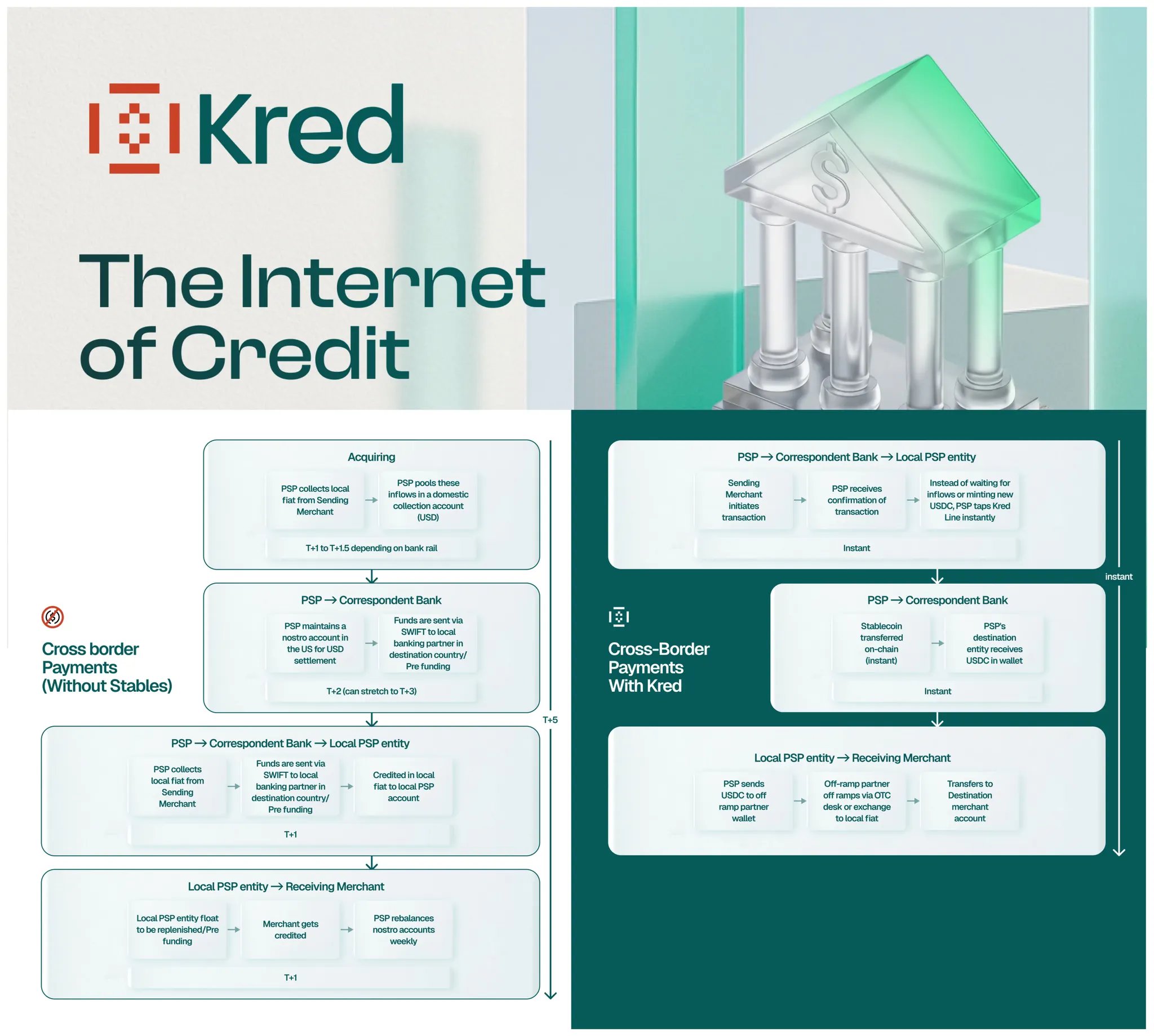
    Most onchain reward models break the moment markets slow down. I’ve watched this happen repeatedly, which is why I’ve been digging into how Kred, built under @Kelpdao, approaches yield and how that value ultimately accrues to $KERNEL. Here’s how I think about it. 1/ Why #DeFi and #RWA rewards keep disappointing. DeFi rewards depend on trading and leverage. When markets slow, yields compress fast. RWA rewards depend on long repayment cycles. Capital gets locked, returns come late, compounding is weak. In practice, you’re choosing between: – fast but unreliable rewards. – real but painfully slow rewards. Neither compounds well. 2/ The demand I trust doesn’t switch off What keeps my attention is demand that exists regardless of market conditions. Payments don’t care about narratives. Payroll, FX, remittances, and trade settlement move every single day. Globally, $200T+ flows annually, while roughly $9-10T sits idle just to manage timing gaps. I see this as operational necessity, not spec

     142  54  15.61K
    Original >
    Tendencia de KERNEL tras el lanzamiento
     Alcista
    Kred addresses the pain points of traditional DeFi/RWA reward models, leveraging non-speculative payment demand to bring stable value to $KERNEL.
  • Fabius DeFi OnChain_Analyst DeFi_Expert A
     17.99K  @FabiusDefi

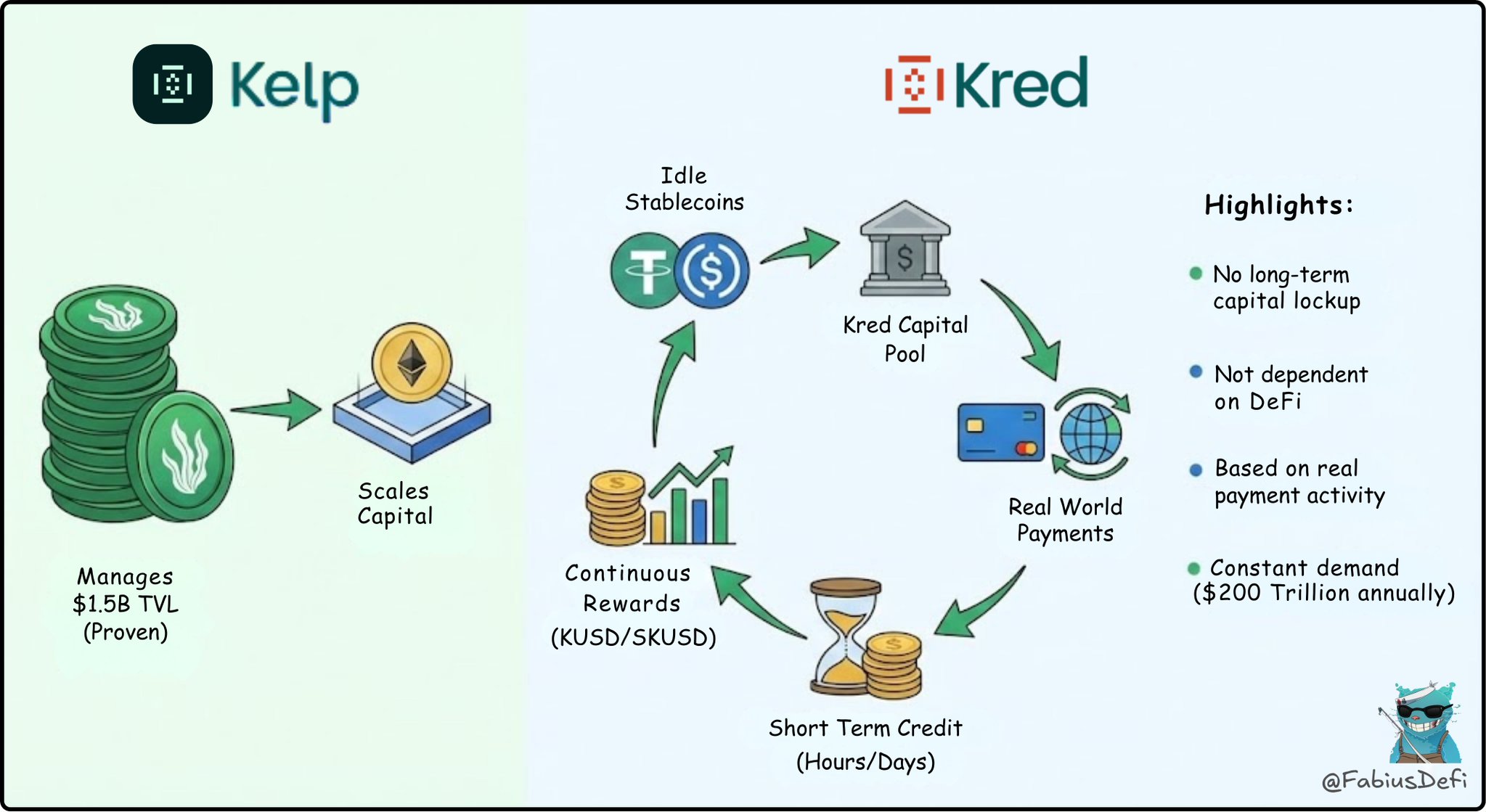
    I think a lot of “RWA yield” narratives sound good on paper, but usually run into two issues: long lockups and slow compounding. Kred from @KelpDAO (product under @kernel_dao) caught my attention cuz it goes the opposite way, targeting the timing gaps in the global payment system. In a world where global payments move $200T+ per year, $9–10T still sits idle in buffers and pre-funding, just to make sure settlements don’t break. Kred turns that idle capital into a working loop: Idle stablecoins → short-term settlement credit → repay when cash arrives → reuse. > KUSD is the receipt token for deployed capital > Stake into sKUSD, and rewards come from repayment-driven returns, not DeFi hype or trading volume. And this is the key difference vs most RWA projects: no long-dated debt, discretionary asset managers, or months-long lockups. It’s more like a liquidity layer for payment timing gaps, where trillions are currently locked for no good reason. As this system scales, $KERNEL sits at the center of value accrual: governing capital deployment, securing the credit engine, and capturing upside as payment volume and credit usage grow. More payments → more credit activity → more value flowing through the Kernel stack. Kelp has already proven they can operate capital at scale ($1.5B+ managed). Kred is that engine pointed at a much bigger game. 2026 might be the year the market starts repricing payment rails + credit rails, and $KERNEL is one way to get exposure to that shift imo 👀

    Fabius DeFi OnChain_Analyst DeFi_Expert A
     17.99K  @FabiusDefi

    Gud read I've found today 👇

     140  45  6.21K
    Original >
    Tendencia de KERNEL tras el lanzamiento
     Extremadamente alcista
    Kred unlocks idle capital in the global payment system, giving the KERNEL token huge upside potential.
  • Tanaka DeFi_Expert FA_Analyst A
     41.54K  @Tanaka_L2

    Most onchain reward models break the moment markets slow down. I’ve watched this happen repeatedly, which is why I’ve been digging into how Kred, built under @Kelpdao, approaches yield and how that value ultimately accrues to $KERNEL. Here’s how I think about it. 1/ Why #DeFi and #RWA rewards keep disappointing. DeFi rewards depend on trading and leverage. When markets slow, yields compress fast. RWA rewards depend on long repayment cycles. Capital gets locked, returns come late, compounding is weak. In practice, you’re choosing between: – fast but unreliable rewards. – real but painfully slow rewards. Neither compounds well. 2/ The demand I trust doesn’t switch off What keeps my attention is demand that exists regardless of market conditions. Payments don’t care about narratives. Payroll, FX, remittances, and trade settlement move every single day. Globally, $200T+ flows annually, while roughly $9-10T sits idle just to manage timing gaps. I see this as operational necessity, not spec

    Tanaka DeFi_Expert FA_Analyst A
     41.54K  @Tanaka_L2

    Related context from @KelpDAO, you can read for more information 👇 https://t.co/BCz9BAm3tI

     142  54  15.61K
    Original >
    Tendencia de KERNEL tras el lanzamiento
     Alcista
    Kred addresses the pain points of traditional DeFi/RWA reward models, leveraging non-speculative payment demand to bring stable value to $KERNEL.
  • Ethereum Daily Media OnChain_Analyst B
     101.91K  @ETH_Daily
    TKResearch Trading D
     5.01K  @TKR_Trading

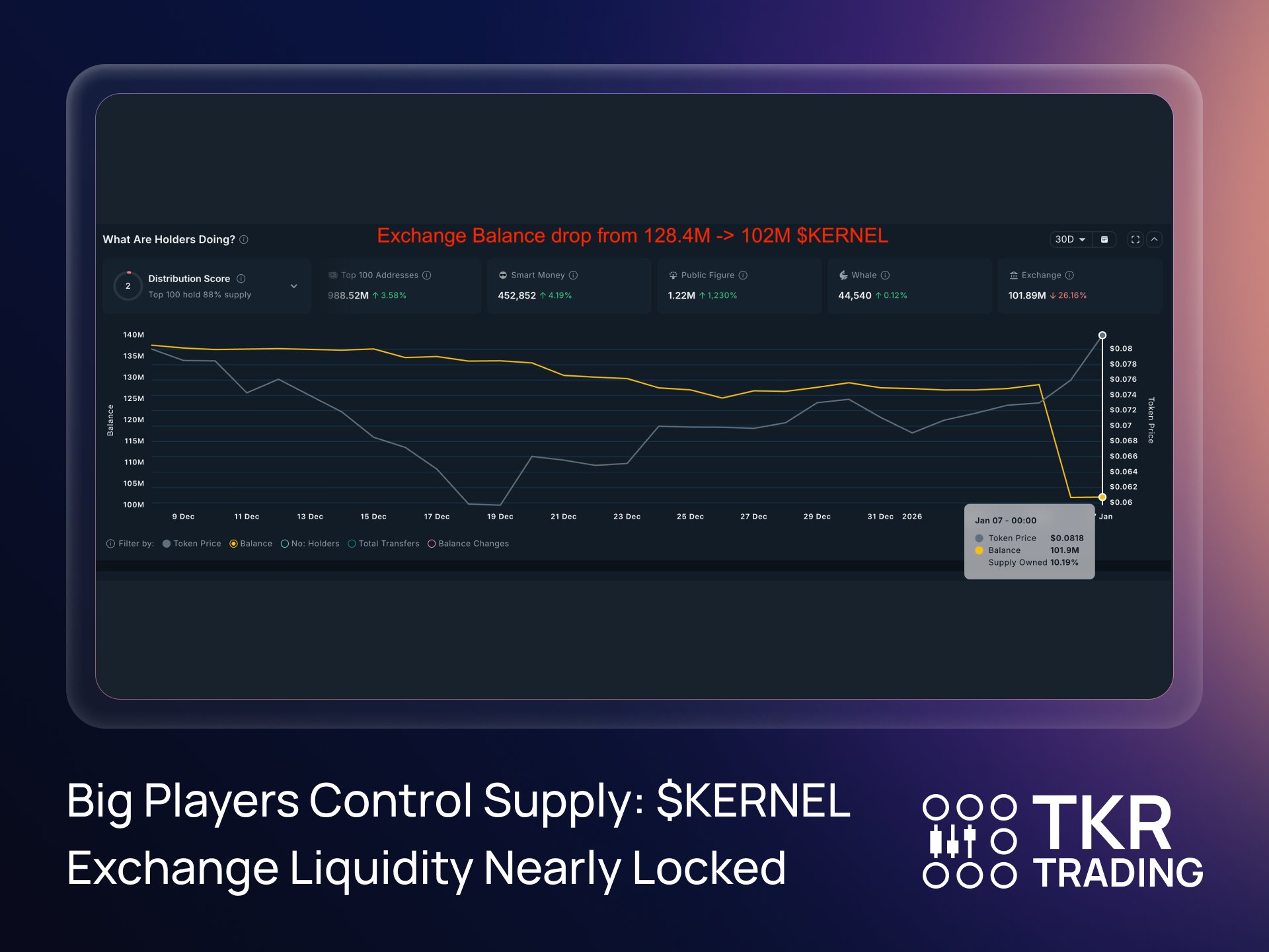
    🚨Big Players Control Supply: $KERNEL Exchange Liquidity Nearly Locked 📌 C/A: 0x3f80b1c54ae920be41a77f8b902259d48cf24ccf 📊 $KERNEL Supply Breakdown 🔸Circulating Supply: 286.3M $KERNEL (Coinmarketcap) 🔸Supply on Exchange: 102M ⇒ Net Circulating Supply (excluding exchanges): 286.3M - 102M = 184.3M Discover more below 👇

     3  1  770
    Original >
    Tendencia de KERNEL tras el lanzamiento
     Alcista
    KERNEL exchange liquidity locked, large holders increased, price up.
  • ERROR TA_Analyst Educator A
     8.47K  @ER404i
    Pricesync D
     608  @pricesync_x

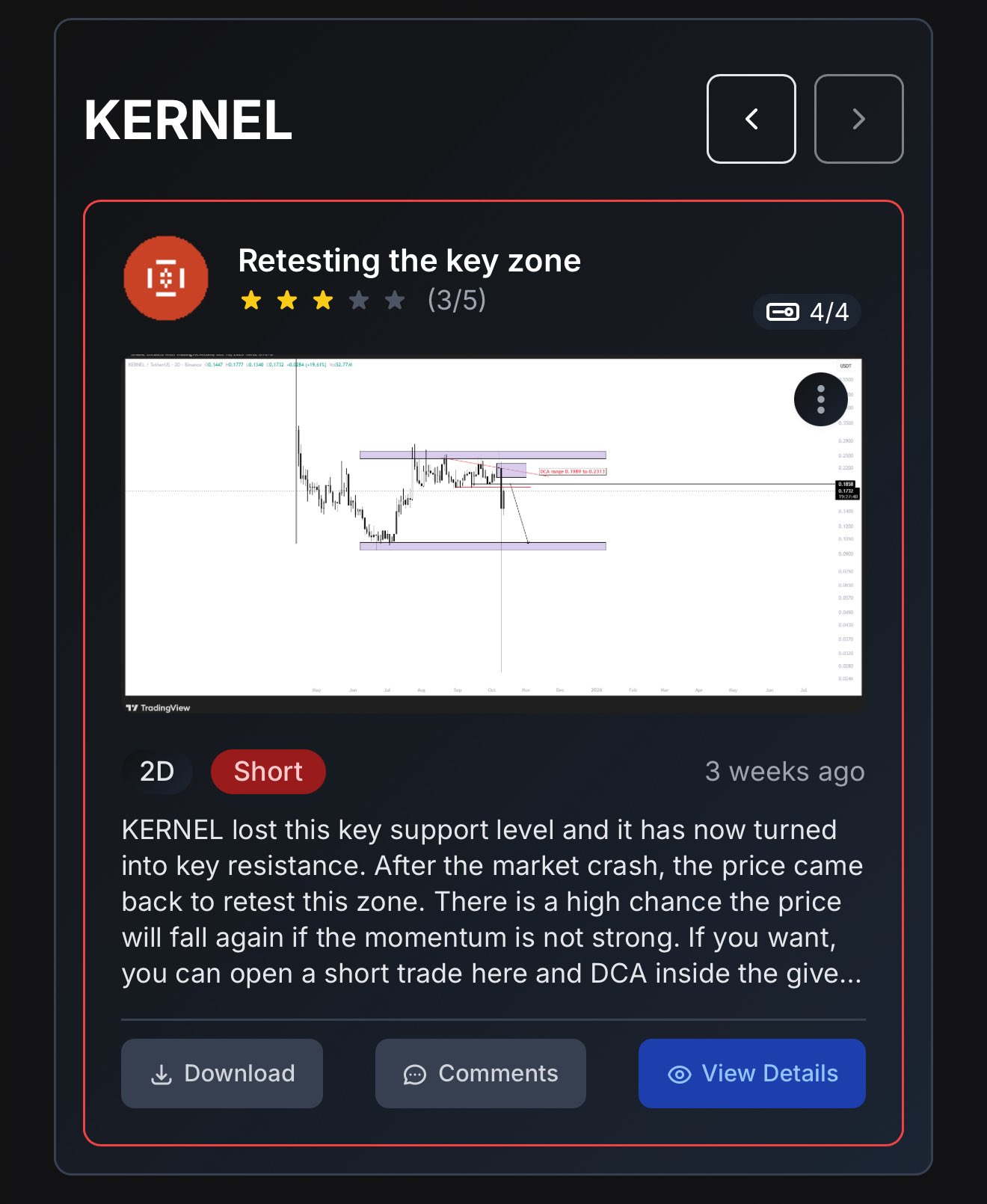
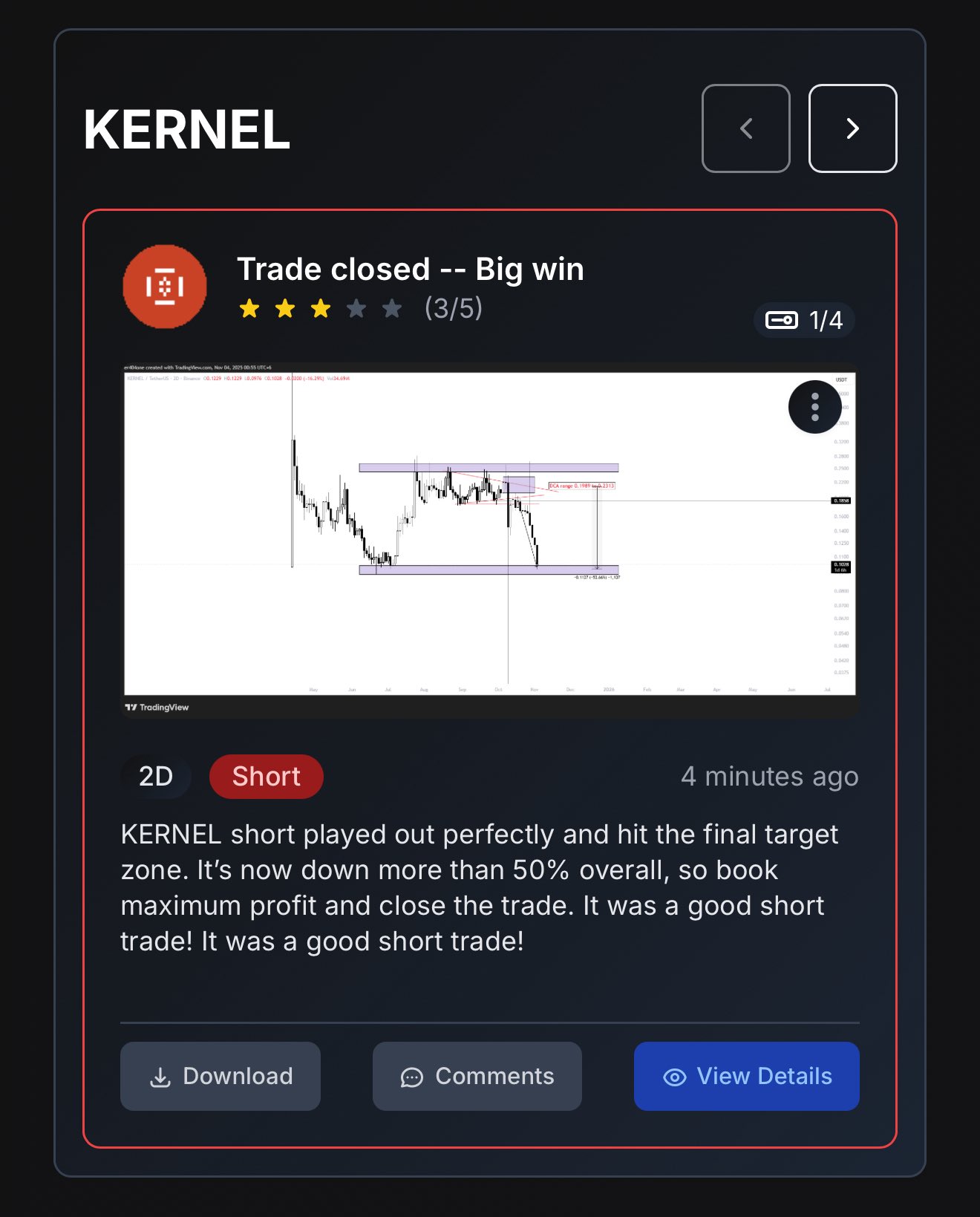
    Perfect short $KERNEL ✍🏻 https://t.co/xH2RErVTOo

     16  0  1.70K
    Original >
    Tendencia de KERNEL tras el lanzamiento
     Extremadamente bajista
    The KERNEL short trade was successful, with the price breaking below key support and reaching its target, resulting in substantial profits.
  • Punkchainer Trader Quant D
     3.80K  @PunkChainer

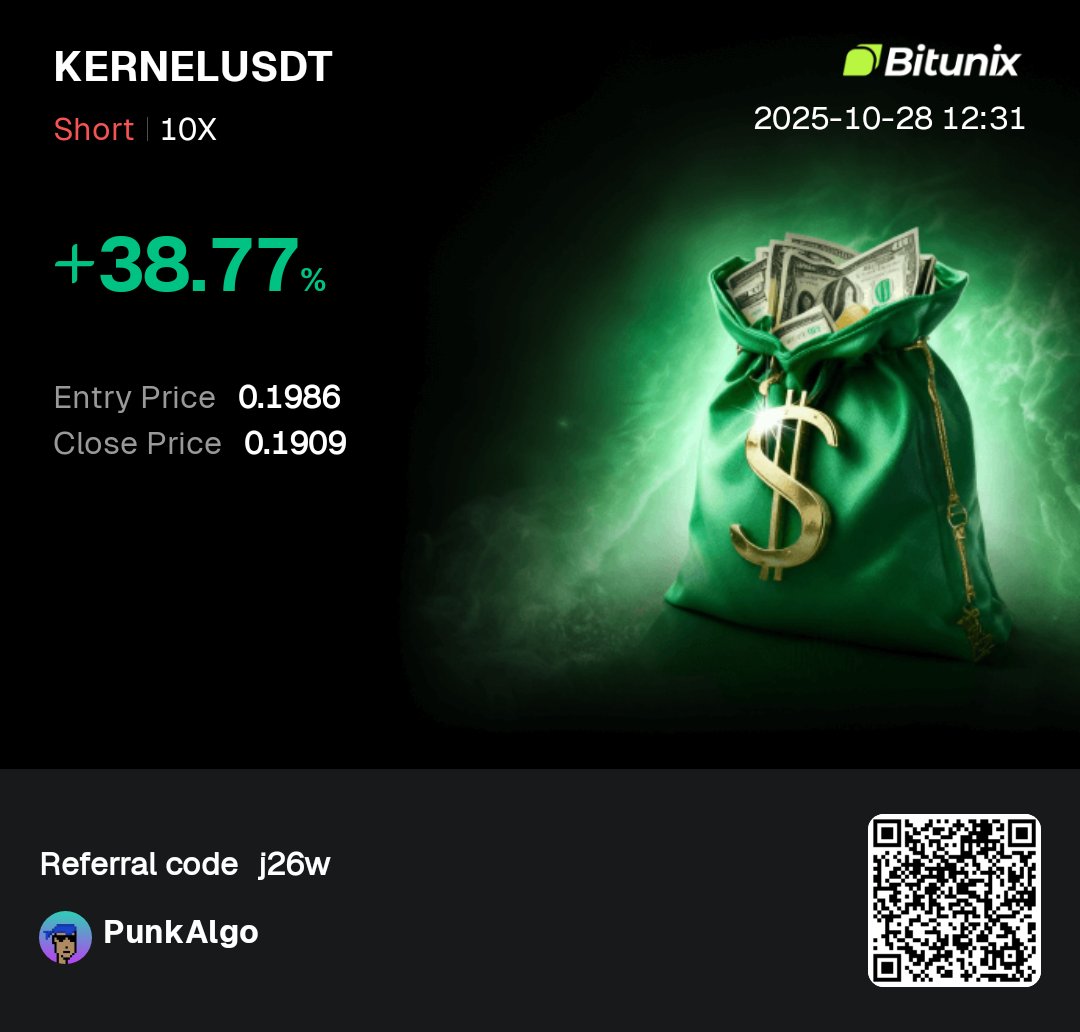
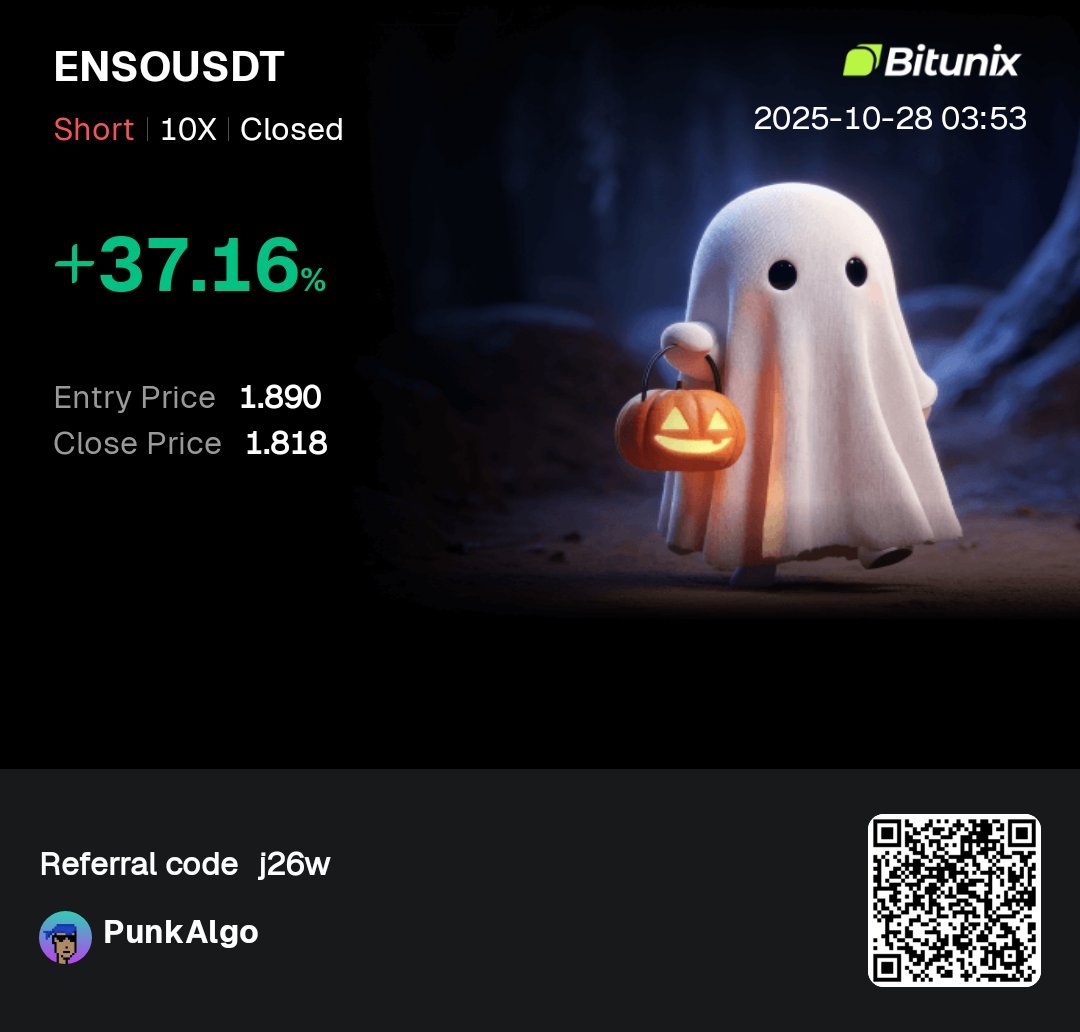
    Happy Tuesday trading shitcoins 🚀💪 https://t.co/isehvyGFRY

     8  1  258
    Original >
    Tendencia de KERNEL tras el lanzamiento
     Extremadamente alcista
    The tweet showcases two successful cryptocurrency short-term trades, achieving high returns on KERNELUSDT and ENSOUSDT respectively.