The Missing Team Every Blockchain Foundation Needs
When it comes to teams within Web3 ecosystems, you’ll usually find Devrel, Marketing, BizDev, community, events teams and grants. Yet among all these departments, one is almost always missing, a team whose primary responsibility is increasing the probability that founders succeed. That gap is obvious across Web3 today because most ecosystems are optimized for inputs rather than outputs. They celebrate the number of developers onboarded, hackathon participants, workshops hosted, grants distributed, impressions generated and KOL campaigns run. These are all useful leading indicators, but they’re not the outcome. The real outcome should be more successful founders, more sustainable companies and more products people actually use. Every department has its own KPIs, but very few ecosystems have someone responsible for ensuring builders successfully transition into founders. More departments don’t grow ecosystems. More successful companies do.
The team focused on founders success isn’t designed to replace devrel, marketing or community instead it’s designed to connect them. Think of it as the bridge between every part of the ecosystem. Its responsibility is reducing founder friction by connecting builders with creators for distribution, researchers for market insights, educators for onboarding, community operators, hiring opportunities, strategic partners, investors and early users. Success isn’t measured by the number of grants distributed or impressions generated. It’s measured by the number of successful startups created, founders that reach pre-seed or seed funding, hiring opportunities facilitated, products that achieve meaningful user growth and companies that continue building years after their first hackathon.
@solana provides one of the strongest examples of this approach. Over time, it has built multiple initiatives that collectively function as a founder support system. Through @superteam, founders gain access to regional communities, talent and contributors. @SuperteamEarn helps connect projects with skilled professionals. Programs like @SuperteamBlack support later-stage founders with mentorship, visibility and growth opportunities, while ecosystem media such as the Solana Broadcast Network, The Solana Ecosystem call and independent community outlets help distribute information and amplify products. None of these initiatives alone explains Solana’s momentum. Together, they reduce friction for founders and increase the probability that good builders become successful companies. That’s the lesson. Ecosystems don’t need to copy Superteam. They need to design systems that achieve the same objective in a way that aligns with their own North Star.
For @SuiNetwork, I believe ecosystem initiatives shouldn’t exist in isolation. Research, regional communities, hackathons, creator programs, media, developer workshops and educational initiatives should all be connected within a broader Founder Success System. The objective isn’t to launch more programs or chase another set of KPIs. It’s to identify promising founders early and ensure they don’t disappear because nobody discovered, understood or adopted what they built. Every initiative should answer the same question: Does this increase the probability that founders in our ecosystem succeed?
This ties directly back to the Ecosystem Operating System and the Five Layers Framework. Builders, capital, talent, community and users don’t create thriving ecosystems by existing independently. They create thriving ecosystems when they’re intentionally connected through systems designed around founder success. That’s why I believe the most valuable thing a blockchain ecosystem can produce isn’t more developers, more creators or a higher TVL. It’s more successful founders building companies that people actually use. Great ecosystems don’t just support builders, they increase their probability of success.
 Solana (SOL)
 Dr SOA 🥷 NFT_Expert Community_Lead B13.52K @Soathefirstt
 DeFi Decoder FA_Analyst DeFi_Expert B18.14K @DeFiDecoder_
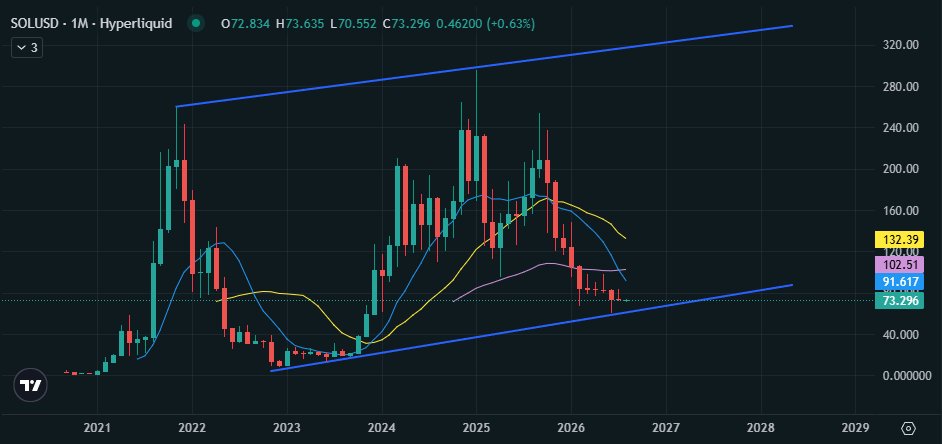 83 24 5.66K Leer original >Tendencia de SOL tras el lanzamientoBajista
 Tyer NFT_Expert Influencer B17.65K @supertyer
 Deezy (Nick Valdez) TA_Analyst Trader D57.77K @NickValdez
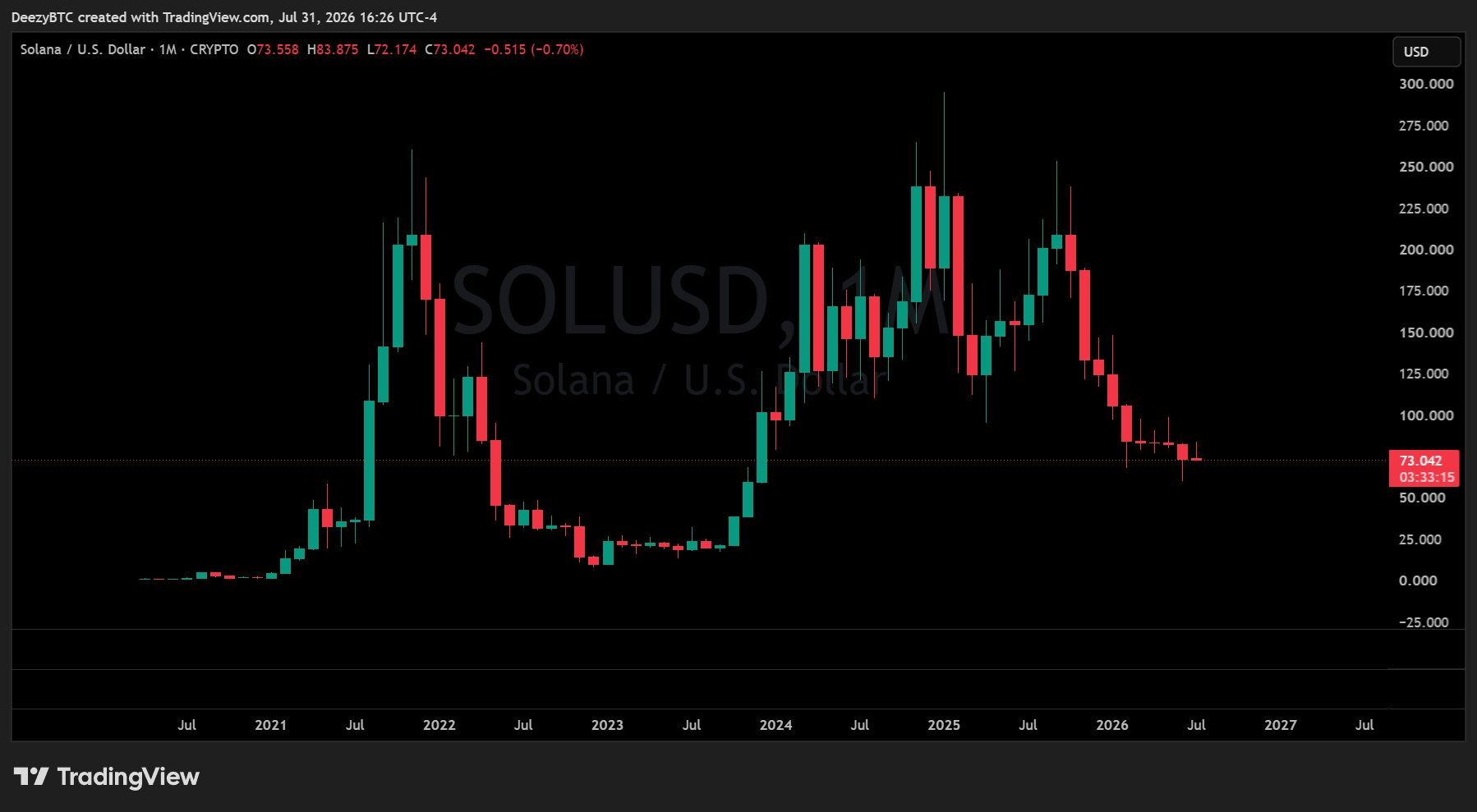 27 1 2.53K Leer original >Tendencia de SOL tras el lanzamientoAlcista