What has war changed, and what inspiration does it give us?
These past two days I installed Binance's Lobster Skill and kept it monitoring Binance's gainers list. While looking at the charts I noticed a detail:
$SIGN has been on Binance's gainers list for several consecutive days, its price is strong, and this kind of junk market situation is rare.
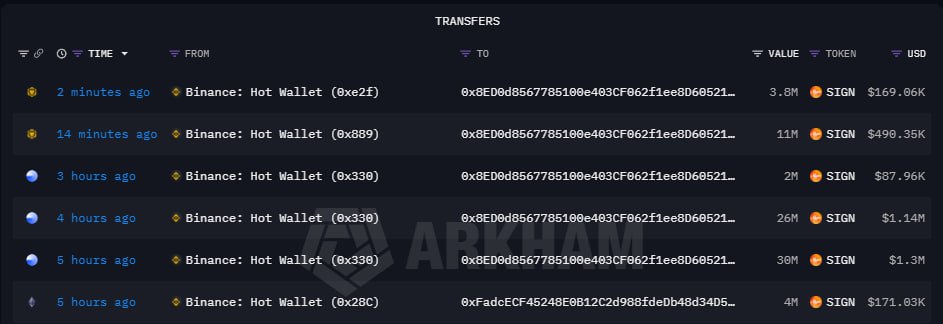
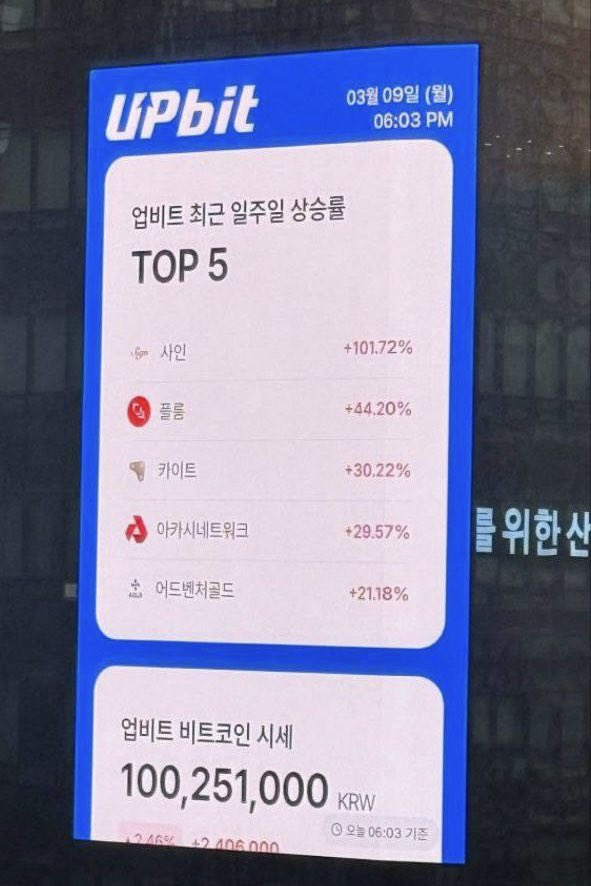
So I asked Openclaw to run a market scan, and found that the SIGN/KRW pair on the Korean market has already risen into the top six spot for Upbit spot trading volume, with a daily turnover of about $45.82 million.
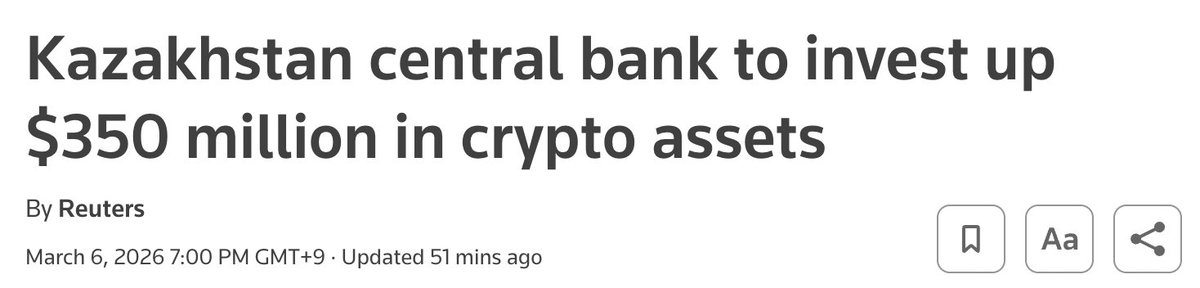
More interestingly, the lobster noticed that if you align the timing of this volume surge with its launch, it almost coincides with the escalation period of the recent US‑Iran conflict.
So is this a war‑concept token?
Of course it cannot be simply understood as “war stimulates price”. But it at least shows one thing: as wars continue, people gradually realize that the true vulnerabilities of modern states are not only in oil, ports, or borders, but often in the unseen systems that run daily: payments, identity, settlement, registration.
In peacetime, centralized systems appear very efficient, yet once conflict, sanctions, cyber‑attacks, and financial fragmentation arise, their problems become exposed.
Thus the real question is whether these critical systems can keep operating during key moments.
I think this is why the market is beginning to reposition projects like $SIGN.
Sign is not just a simple protocol nor a conventional payment project; it resembles a combination of TokenTable—a asset‑issuance/service platform with real‑world business capabilities—and Sign Protocol—a foundational network aiming to build global trust and identity infrastructure.
Its focus is also very foundational: digital identity, verifiable credentials, sovereign payment rails, RWA.
Moreover, its previously announced collaborations all follow this line: a CBDC/digital som pilot in Kyrgyzstan, on‑chain identity and residency credentials in Sierra Leone, cooperation in the UAE, and identity interoperability integration in Singapore.
So you see the logic: these things may seem far from the market in normal times, but once a crisis hits, the market suddenly recognizes that “digital sovereignty” is not an abstract concept but a form of national resilience.
In short, future competition between nations may involve not only resources, military strength and financial size, but also who upgrades digital infrastructure first, who can turn their core systems into more interruption‑resistant, verifiable, and independent networks.
From this perspective, the recent movements of $SIGN‑type projects are reasonable; it is not just sentiment, but the market trading ahead of an event:
As geopolitical conflicts become more normalized, digital sovereignty will gradually shift from narrative to necessity.
 SIGN (SIGN)
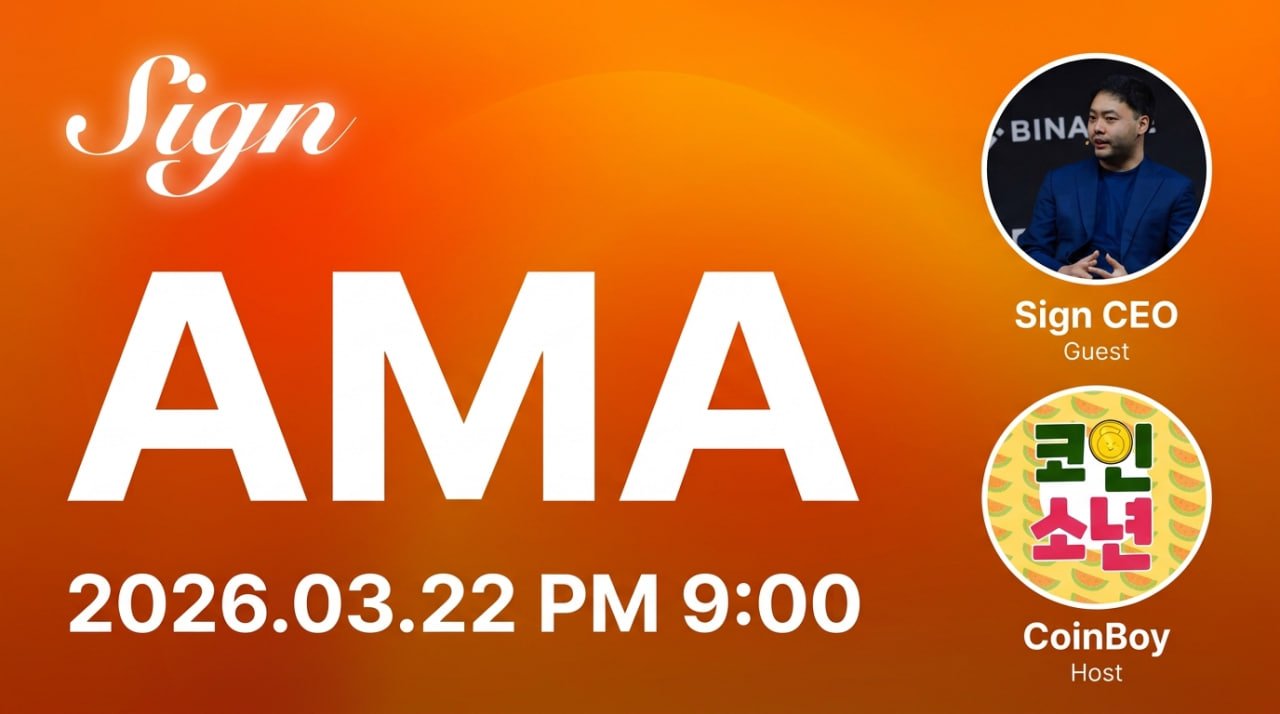
 Xin Founder Tokenomics_Expert B19.17K @realyanxin코인소년 COINBOY🦅 D17.75K @coinboy717
 37 12 10.42K Original >Tendência de SIGN após o lançamentoBullish
 BITWU.ETH 🔆 FA_Analyst OnChain_Analyst C365.31K @Bitwux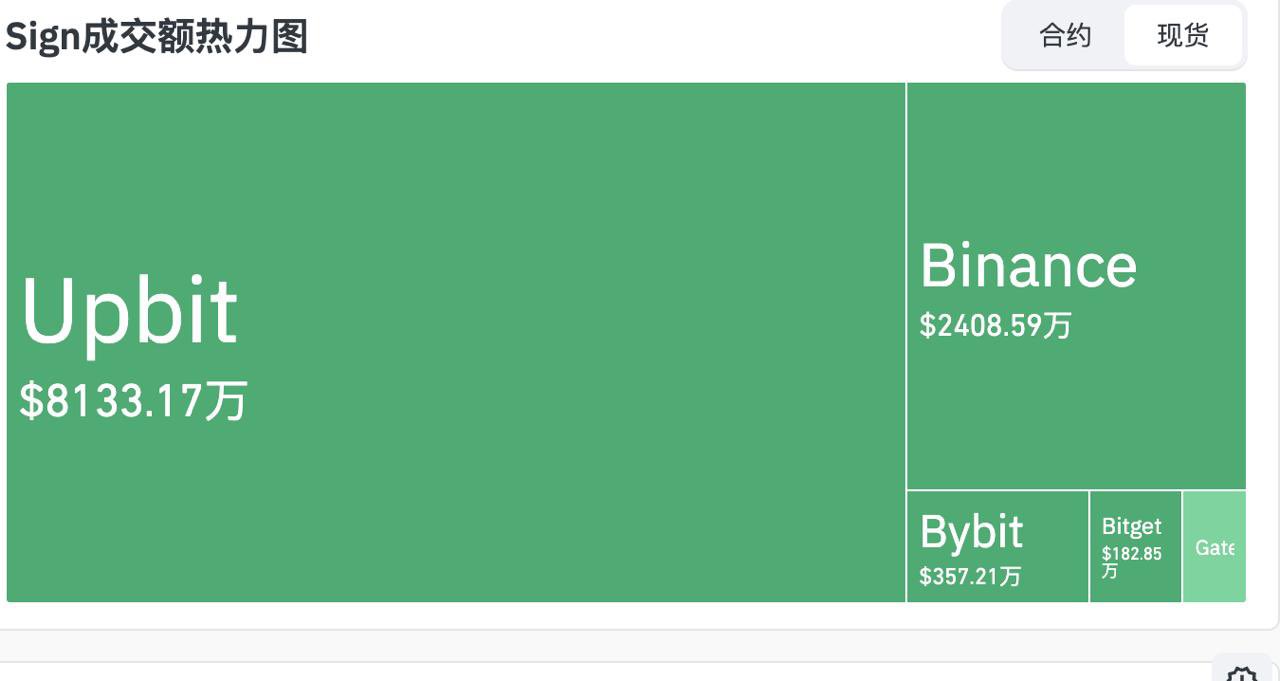
 28 13 11.04K Original >Tendência de SIGN após o lançamentoExtremamente Bullish
 ☯️MR_DYOR|🦺🦇🇳🇬 Educator Community_Lead B3.21K @MR_DY0R_Of_Web3
 OG SIGN 🦺🧡👀 D1.23K @OGSeeingSign
 3 2 96 Original >Tendência de SIGN após o lançamentoExtremamente Bearish