رشد کنید
Rewards
قرعهکشی روزانه
100% Chance To Win With Daily Trades
قرعهکشی روزانه اسپات
Win 8,888 USDT In Grand Prizes
افزایش اعتبار خط همراه
افزایش اعتبار خط همراه بهراحتی، آنلاین و ایمن
Send
Send money globally, fast and secure
BitMart Mall
Live on crypto

Terra دادههای قیمت لحظهای
قیمت امروز Terra برابر با $ 0.049 (LUNA/USD) است. با ارزش بازار برابر با $ 35.50M USD. حجم معاملات 24 ساعته $ 4.18M USD, تغییر قیمت 24 ساعته به میزان +0.00% و عرضه در گردش برابر با 709.98M LUNA.
Terra LUNA تاریخچه قیمت USD
قیمت Terra را برای امروز، 7 روز، 30 روز و 90 روز پیگیری کنید
دوره
تغییر
تغییر (%)
امروز
$ 0
0.00%
7روزها
--
--
30روزها
--
--
90روزها
--
--
تجارت LUNA در سه مرحله
یک حساب کاربری رایگان ایجاد کنید، حساب خود را شارژ کنید، افزودن سپس ارز دیجیتال خود را انتخاب کنید
Terra اطلاعات بازار
$ 0.049 محدوده ۲۴ ساعته $ 0.049
بالاترین رکورد زمانی
$ 0
همیشه پایین
$ 0
تغییر ۲۴ ساعته
0.00%
حجم ۲۴ ساعت
$ 4,176,332.04
عرضه در گردش
0.71B
LUNA
مارکت کپ
$ 35.50M
حداکثر عرضه
--
ارزش بازار کاملاً رقیقشده
$ 59.33M
معامله LUNA
کسب درآمد حتی بدون دانش مالی
Put your idle crypto to work and earn passive income through savings, staking, and more.
Terra X Insight

Coin on the co₿ 🌽
Influencer
Educator
B
 7.5K @dueyfromstlouis
 صعودی
LUNA unlocks 24/7 agents, outlook looks positive

Forward Future Brian D
7.6K @ForwardEditor Luna really just unlocked 24/7 agents
 251
251
 18
18
 20.3K
20.3K
2026-08-02 19:57
روند LUNA پس از انتشار
صعودی
LUNA unlocks 24/7 agents, outlook looks positive

Quinten | 048.eth
FA_Analyst
OnChain_Analyst
C
223.5K @QuintenFrancois بسیار نزولی
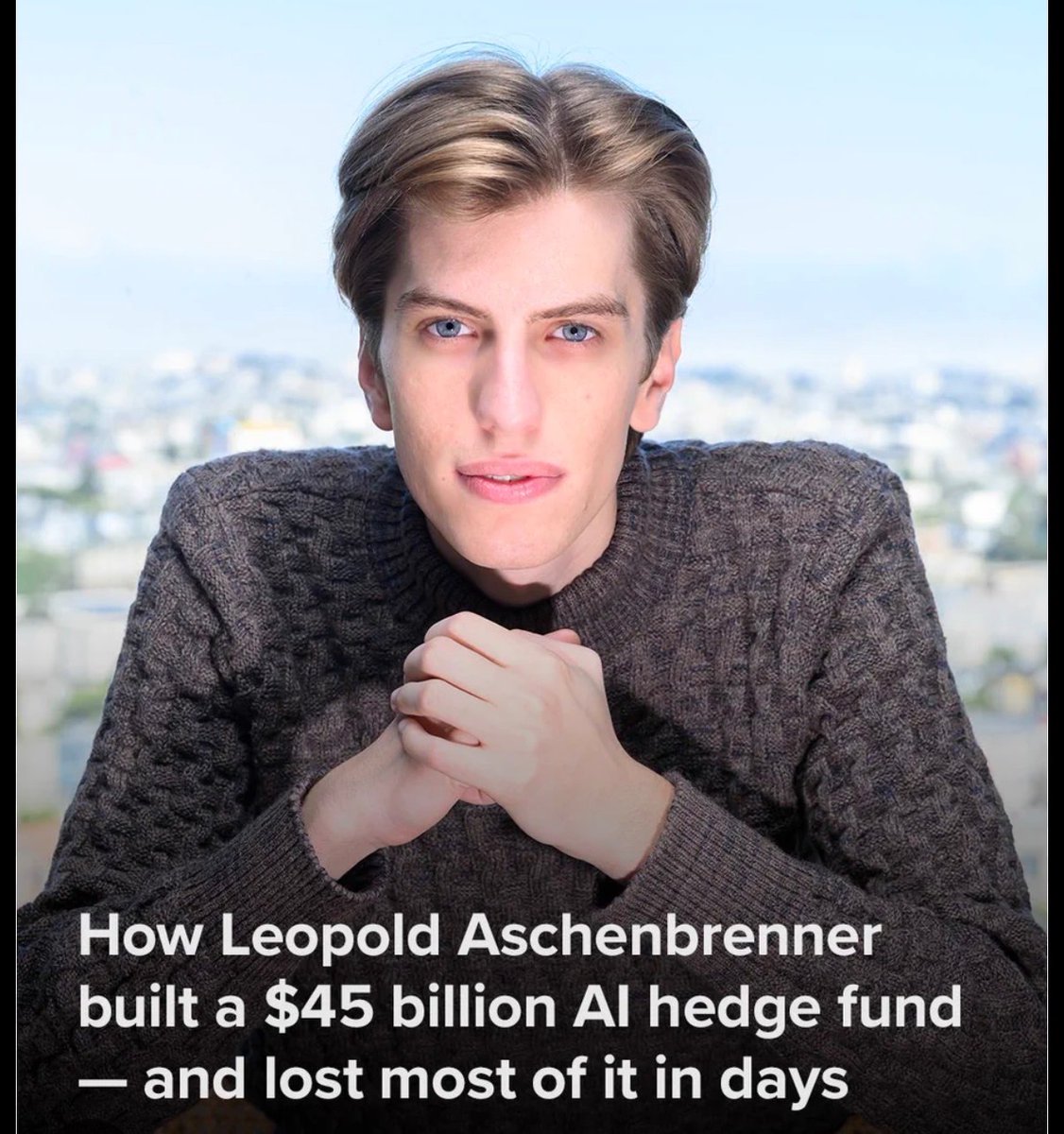
The tweet uses LUNA to warn about leverage risks in AI investing, and the image shows massive losses of an AI fund.
Leopold Aschenbrenner might become the LUNA of the AI cycle.
Not because AI is a scam, but because it shows what happens when a powerful narrative meets extreme leverage.
A fund built around the AI singularity thesis grew into tens of billions through concentrated bets on AI infrastructure and semiconductors. When the trade cracked, leverage turned a normal drawdown into a forced unwind.
LUNA didn’t kill crypto, it exposed the hidden leverage behind it. Leopold could play the same role for AI.
 102
9
15.3K
102
9
15.3K
2026-08-02 16:17
روند LUNA پس از انتشار
نزولی
The tweet uses LUNA to warn about leverage risks in AI investing, and the image shows massive losses of an AI fund.

The Bearable Bull
Regulatory_Expert
Media
B
389.6K @thebearablebull بسیار نزولی
South Korean stock market crisis could trigger a global financial collapse

DANNY D
294.4K @Danny_Crypton 🚨 WARNING
Every global crash starts with South Korea.
It sounds ridiculous.
Until you look at the history.
1997:
- The Korean won collapsed
- KOSPI crashed
- Foreign exchange reserves nearly ran out
- Then the Asian Financial Crisis spread across the world
2000:
- South Korean semiconductor stocks topped first
- Months later, Nasdaq dumped 78%
- The Dot Com Bubble popped
2008:
- Korean stocks started breaking down
- Just over a month later, Lehman Brothers collapsed
- The global financial system went with it
2021:
- Bill Hwang used extreme leverage through Archegos
- The fund exploded
- Global banks lost more than $10 billion
- Credit Suisse alone lost $5.5 billion
2022:
- Do Kwon launched LUNA and UST
- More than $40 billion vanished almost overnight
- Then came Three Arrows Capital, Celsius, and FTX
Now the warning is coming from KOSPI again.
Samsung and SK Hynix dominate the index.
More than $30 billion flowed into leveraged products tied to the two companies.
These products rebalance every day
219
38
54.9K
2026-08-02 01:57
روند LUNA پس از انتشار
نزولی
South Korean stock market crisis could trigger a global financial collapse
پیشبینی قیمت
چه زمانی برای خرید LUNA مناسب است؟ آیا اکنون باید LUNA بخرم یا بفروشم؟
از دیدگاه تجزیه و تحلیل فنی بر اساس تحلیل تکنیکال 4 ساعته LUNA، سیگنال معاملاتی نگهداری است.

پیشبینی Beacon
پیشبینی احتمالی قیمت (24 ساعت آینده)اطلاعیه
بازارهای پیشبینی ذاتاً نوسانپذیر هستند. قیمت واقعی تراکنش ممکن است با قیمت نمایش دادهشده متفاوت باشد و پرداخت نهایی طبق قوانین تسویه پلتفرم تعیین میشود.
درباره Terra
Terra (LUNA) is a cryptocurrency launched in 2022. Terra has a current supply of 1,186,707,049 with 709,984,438.91686 in circulation. The last known price of Terra is 0.04790158 USD and is down -0.09 over the last 24 hours. It is currently trading on 225 active market(s) with $3,603,068.69 traded over the last 24 hours. More information can be found at https://terra.money/.
بیشتر بخوانید
بخرید LUNA
معامله LUNA