Купити криптовалюту
Картка
P2P-торгівля
Купуйте USDT через маркетплейс
Кредитна/дебетова картка
Купуйте криптовалюту за допомогою Visa або MasterCard
Платіж третьої сторони
Купуйте криптовалюту через MoonPay, Simplex та інші сервіси
Картка BitMart
Розширення можливостей вашого криптожиття
Передплачена криптовалютна картка
Миттєво отримайте картку Mastercard для витрат
Торгувати
USDⓈ-M
Використання USDⓈ в якості застави
COIN-M
Використання самої COIN в якості застави
TradFi
Єдине місце для торгівлі металами, акціями та іноземною валютою
Демоторгівля
Дізнайтеся, як торгувати без ризику
Огляд ф'ючерсів
Універсальна платформа для всього, що стосується ф'ючерсів
Futures King
Призовий фонд 478 000 USDT
Примножити
Детальніше про Earn
Заробляйте на невикористаних активах із легкістю
Заощадження
Заробляйте на холдингу.
Стейкінг
Легка ставка, висока винагорода.
Управління капіталом
Примножуйте свій капітал із допомогою провідної команди в галузі управління активами
RWA
Утримуйте BMRUSD — отримуйте дохід
VIP-ексклюзив
Стабільно заробляйте для VIP-користувачів
AI Hub
Rewards
Щоденний розіграш ф’ючерсів
100% шанс на перемогу на щоденних угодах
Щоденний спотовий розіграш
Виграйте головний приз — до 8 888 USDT
Ставка для голосування
Заробіть айрдропи, проголосувавши
Установа
Професійні та ексклюзивні послуги
VIP
Розблокуйте ексклюзивні винагороди
Академія
Швидко дізнайтеся про трейдинг та блокчейн
BitMart Internship
Start your Crypto Career Here
Bitmart подорожі
Універсальні глобальні туристичні послуги
Поповнення мобільного
Швидке і безпечне поповнення мобільного онлайн
Send
Send money globally, fast and secure
BitMart Mall
Заробляйте криптовалюту

ZKsync Дані про ціни в реальному часі
Поточна ціна ZKsync становить $ 0.0087 (ZK/USD). З ринковою капіталізацією $ 91.16M USD. Обсяг торгів за 24 години: $ 11.81M USD, Зміна ціни за 24 години: -1.69%, І циркулююча пропозиція: 10.44B ZK.
ZKsync ZK Історія зміни цін USD
Відстежуйте зміну ціни ZKsync за сьогодні та за 7, 30 і 90 днів
Період
Змінити
Зміна (%)
Сьогодні
$ 0.00014
-1.69%
7днів
--
--
30днів
--
--
90днів
--
--
Стати власником ZK зараз
Купуйте та продавайте ZK легко та безпечно на BitMart.
ZKsync Інформація про ринок
$ 0.0085 24-годинний діапазон $ 0.0091
Найвищий показник за весь час
$ 0
Найнижчий показник за весь час
$ 0
24-годинна зміна
-1.69%
24г Vol
$ 11,810,201.43
Циркуляційний запас
10.44B
ZK
Ринкова капіталізація
$ 91.16M
Максимальна пропозиція
21.00B
ZK
Повністю розбавлена ринкова капіталізація
$ 183.32M
Торгувати ZK
Заробити
Залучайте неактивну криптовалюту до роботи та легко отримуйте пасивний дохід через заощадження, стейкінг та інші послуги.
ZKsync X Інсайт

Madbro
Influencer
Educator
S
 9.8K @SadlifeTv_
 Бичачий
The $BASE airdrop is expected to be announced soon, worth watching.
Madbro
Influencer
Educator
S
9.8K @SadlifeTv_ Some times i forget the purpose of why i am here
I am here because i predicted almost everything about $ZK $STRK $LINEA and $BASE
Thats what made me famous for.
For past few days was so into memes, i think its time rethink and publish the $BASE airdrop time.
Stay tuned fam🫡
 44
44
 6
6
 5.2K
5.2K
2026-07-31 01:47
Тенденція ZK після випуску
Бичачий
The $BASE airdrop is expected to be announced soon, worth watching.

Crypto Patel
TA_Analyst
OnChain_Analyst
B
60.9K @CryptoPatel Ведмежий
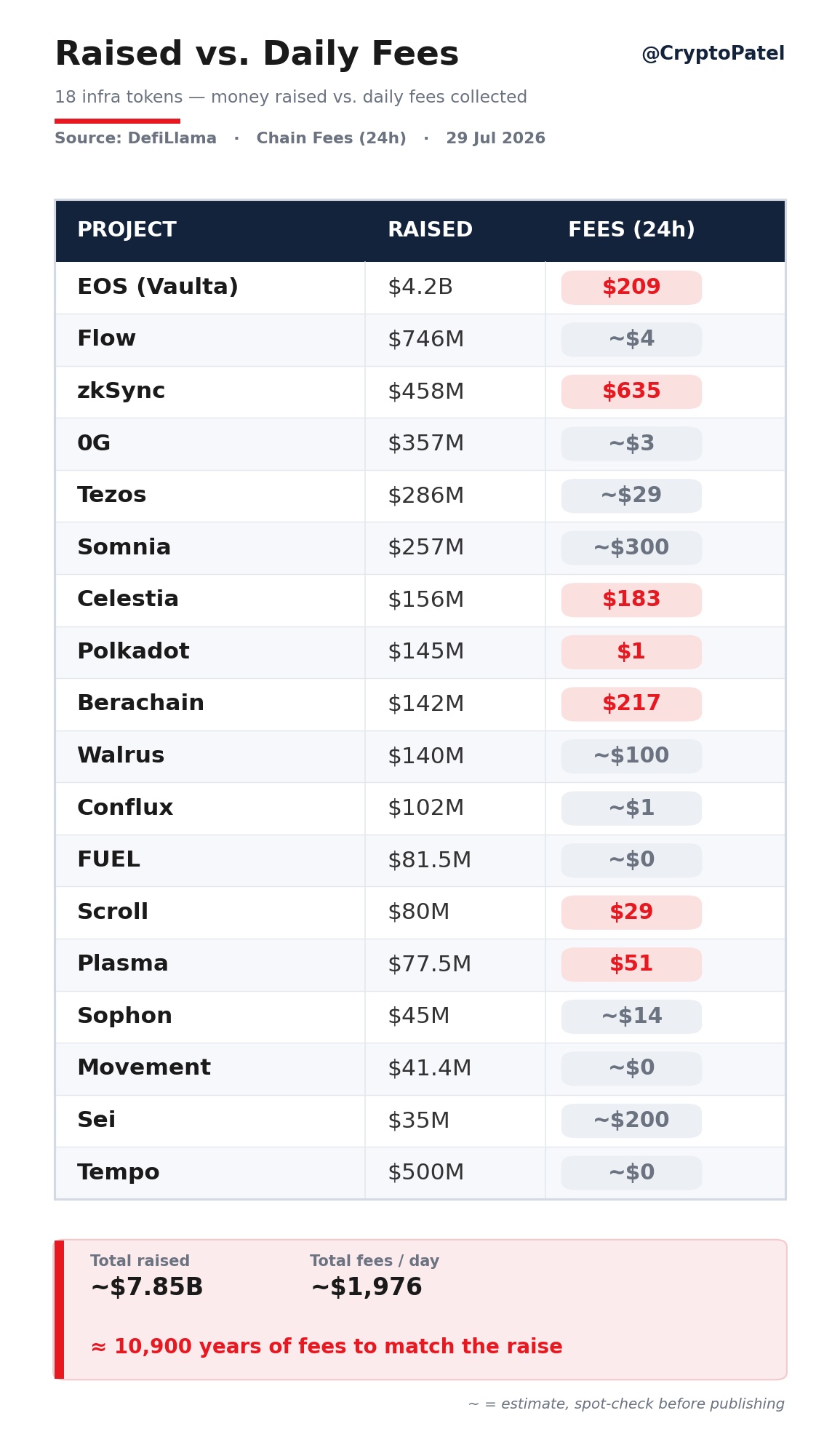
18 infrastructure chain projects raised 7.85 billion, with daily fees of only $1,976, requiring about ten thousand years to break even – the economic model is terrible.
18 Infra Chains. Billions Raised, Pennies Earned 👇
Total Raised: $7.85B
Total 24H Fees: $1,976
~10,900 Years to Earn it Back https://t.co/FVKhyKNhTy
 215
13
21.4K
215
13
21.4K
2026-07-29 19:37
Тенденція ZK після випуску
Надзвичайно ведмежий
18 infrastructure chain projects raised 7.85 billion, with daily fees of only $1,976, requiring about ten thousand years to break even – the economic model is terrible.

ZKsync
Founder
Regulatory_Expert
D
1.5M @zksync Надзвичайно бичачий
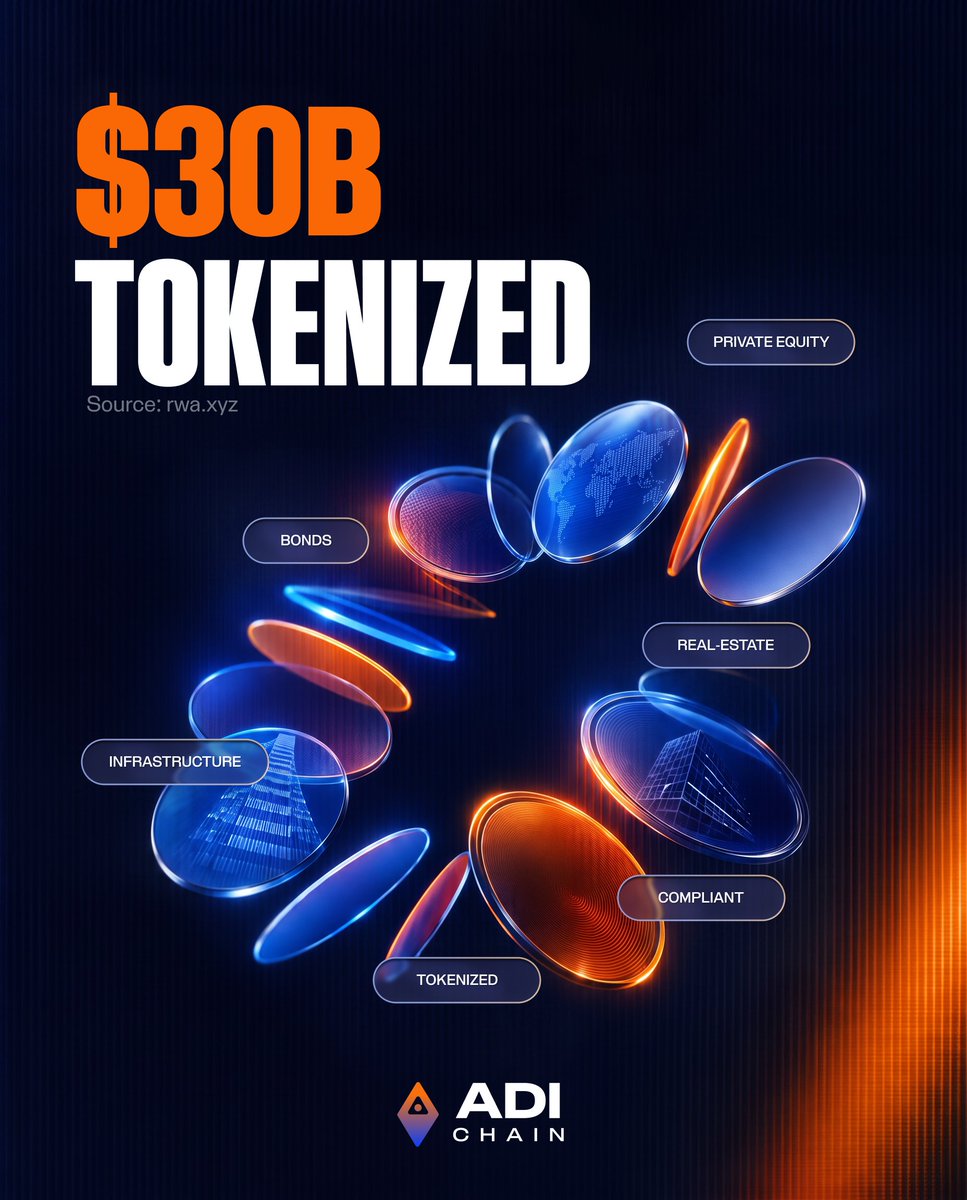
ZKsync empowers the RWA market, reaching $30 billion in size, emphasizing compliance.
MENA is moving onchain.
On fast, secure and compliance-ready @ADIChain_ rails.
Powered by @zksync.

ADI Chain D
96.5K @ADIChain_ Tokenized real-world assets crossed $30 billion* in April 2026, up 420% in 16 months.
The value proposition is clear: programmable ownership, near-instant settlement, 24/7 markets and access to previously illiquid asset classes.
But for institutions across MENA, moving assets onchain requires more than token issuance. And speed alone is not enough.
Adoption depends on infrastructure that can meet regulatory requirements across jurisdictions. It requires compliant rails for custody, identity, transfer controls and cross-border settlement.
Compliance is what turns tokenization from an onchain experiment into institutional-grade financial infrastructure.
More to follow.
*(source: https://t.co/7Nj2ramxNU)
 107
23
36.5K
107
23
36.5K
2026-07-28 17:57
Тенденція ZK після випуску
Надзвичайно бичачий
ZKsync empowers the RWA market, reaching $30 billion in size, emphasizing compliance.
Прогноз ціни
Чи зараз слушний час для покупки ZK? Чи варто зараз купувати або продавати ZK?
Вирішуючи, чи вдалий зараз час для купівлі або продажу ZKsync (ZK), важливо спочатку узгодити свою торгову стратегію та профіль ризику.Довгострокові інвестори та короткострокові трейдери часто по-різному інтерпретують ринкові умови, тому ваше рішення має відображати ваш особистий підхід. Згідно з останнім 4-годинним технічним аналізом ZK, поточний торговий сигнал — Утримувати.

Прогноз Beacon
Ймовірний прогноз ціни (на найближчі 24 години)Відмова від відповідальності щодо передбачення Beacon
Результати даних, відображені на цій сторінці, аналізуються на основі фактичних торгових даних (OHLCV) обраної торгової пари разом із відповідними технічними показниками.
Цей прогноз є експериментальним технічним продуктом і надається лише для довідки. Він не є інвестиційною порадою. Несподівані події в реальному світі можуть суттєво вплинути на поведінку ринку. Трейдерам слід приймати рішення з обережністю.
Цей прогноз є експериментальним технічним продуктом і надається лише для довідки. Він не є інвестиційною порадою. Несподівані події в реальному світі можуть суттєво вплинути на поведінку ринку. Трейдерам слід приймати рішення з обережністю.
Про ZKsync
ZKsync (ZK) is a cryptocurrency launched in 2024and operates on the zkSync Era platform. ZKsync has a current supply of 14,900,043,049.60028423 with 10,442,853,988.92571312 in circulation. The last known price of ZKsync is 0.00901156 USD and is up 0.68 over the last 24 hours. It is currently trading on 272 active market(s) with $12,351,615.42 traded over the last 24 hours. More information can be found at https://zksync.io/.
Читати більше
Офіційні посилання
Соціальні мережі
Дослідник ланцюга
Купити ZK
Торгувати ZK