

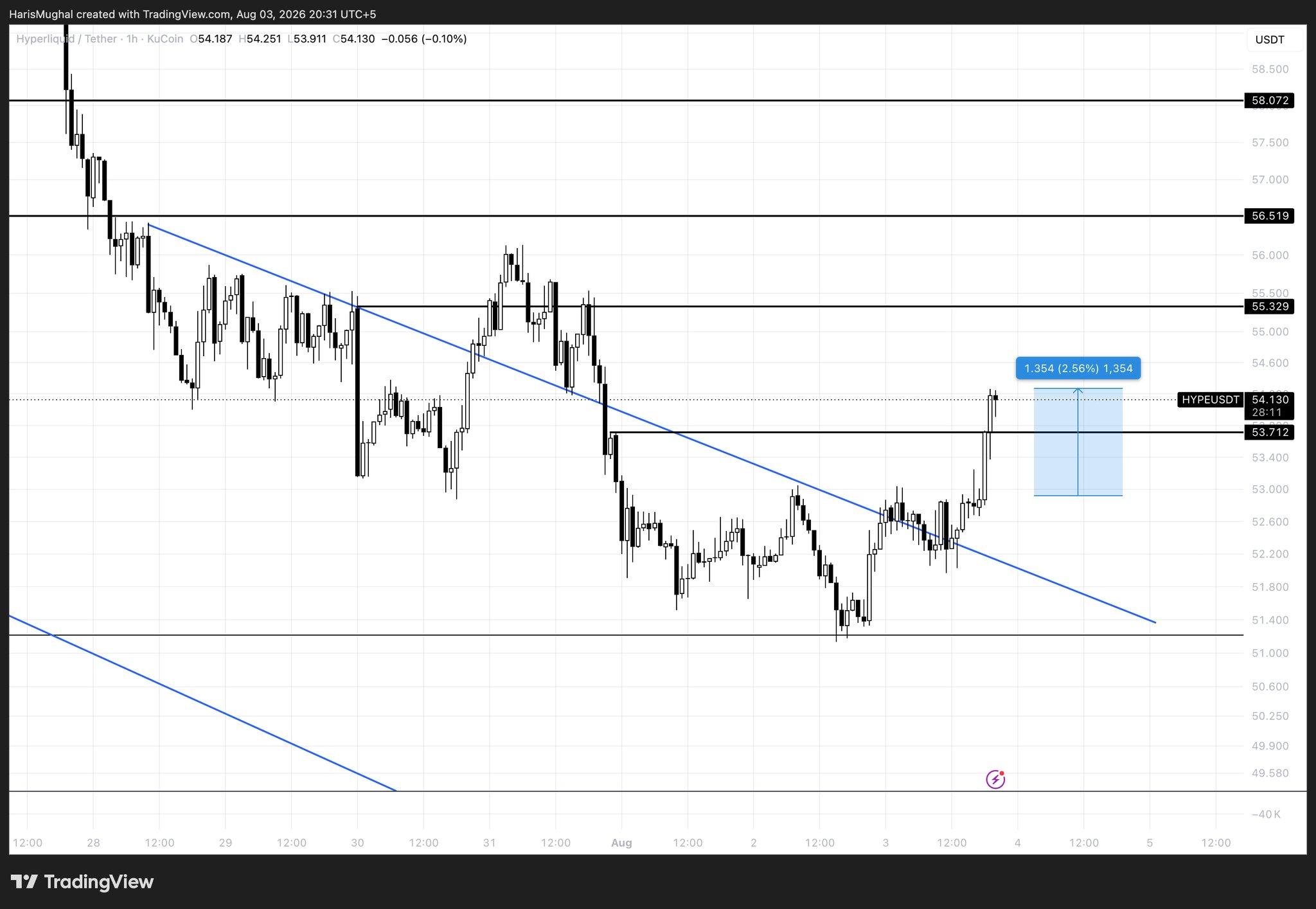
$HYPE trade is moving perfectly, now up 2.5% from our entry.
Hope you caught this one with me. https://t.co/GALbofX9b2


 13.2K @HarrySnipes
 $HYPE trade is moving perfectly, now up 2.5% from our entry.
Hope you caught this one with me. https://t.co/GALbofX9b2
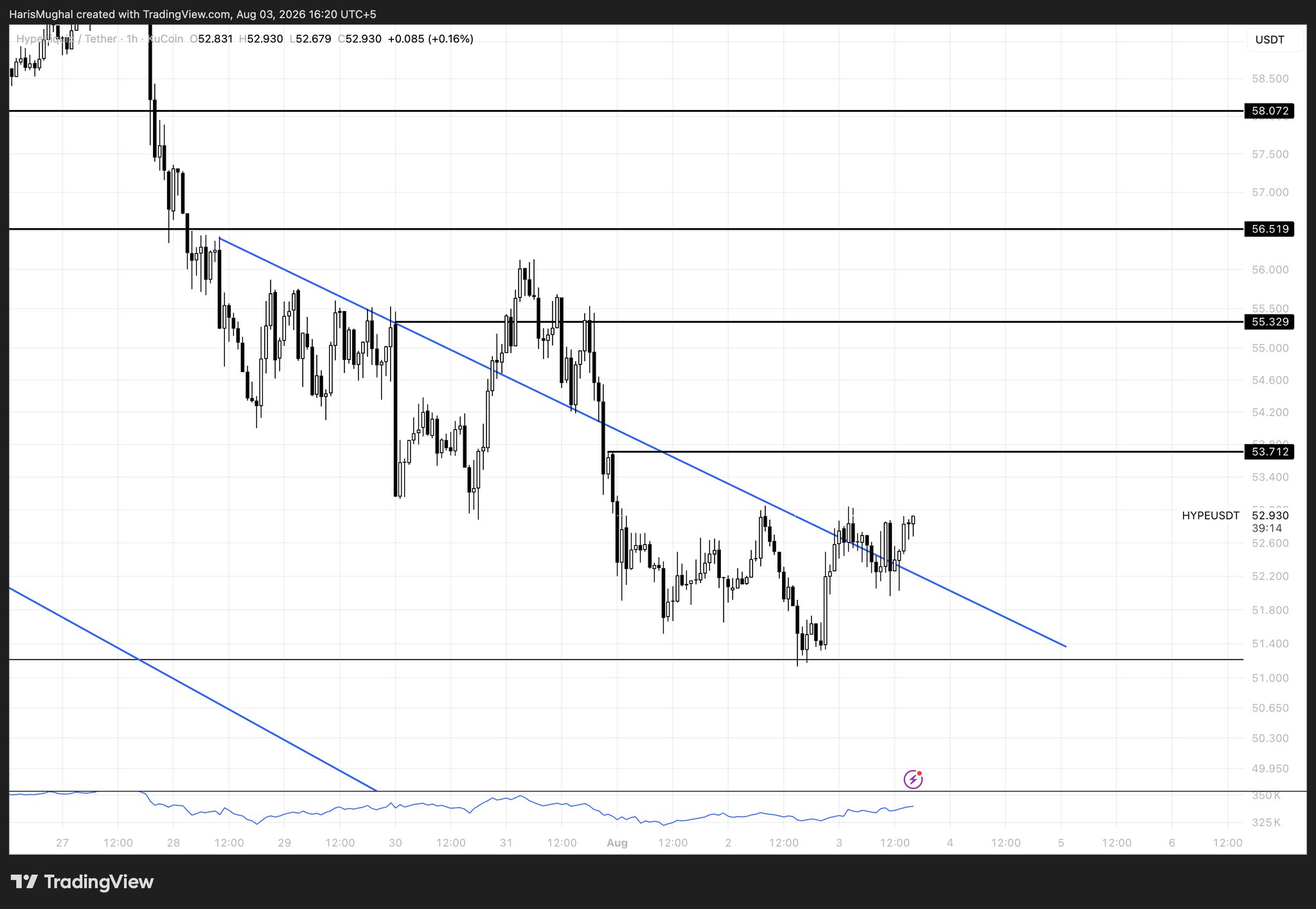
13.2K @HarrySnipes Looks like $HYPE is setting up for an upside squeeze.
Momentum could accelerate quickly if resistance breaks. https://t.co/NAlRW2kuUn
 15
15
 7
7
 537
537
 42.4K @OnchainLens
 Hyperliquid Daily 🔥
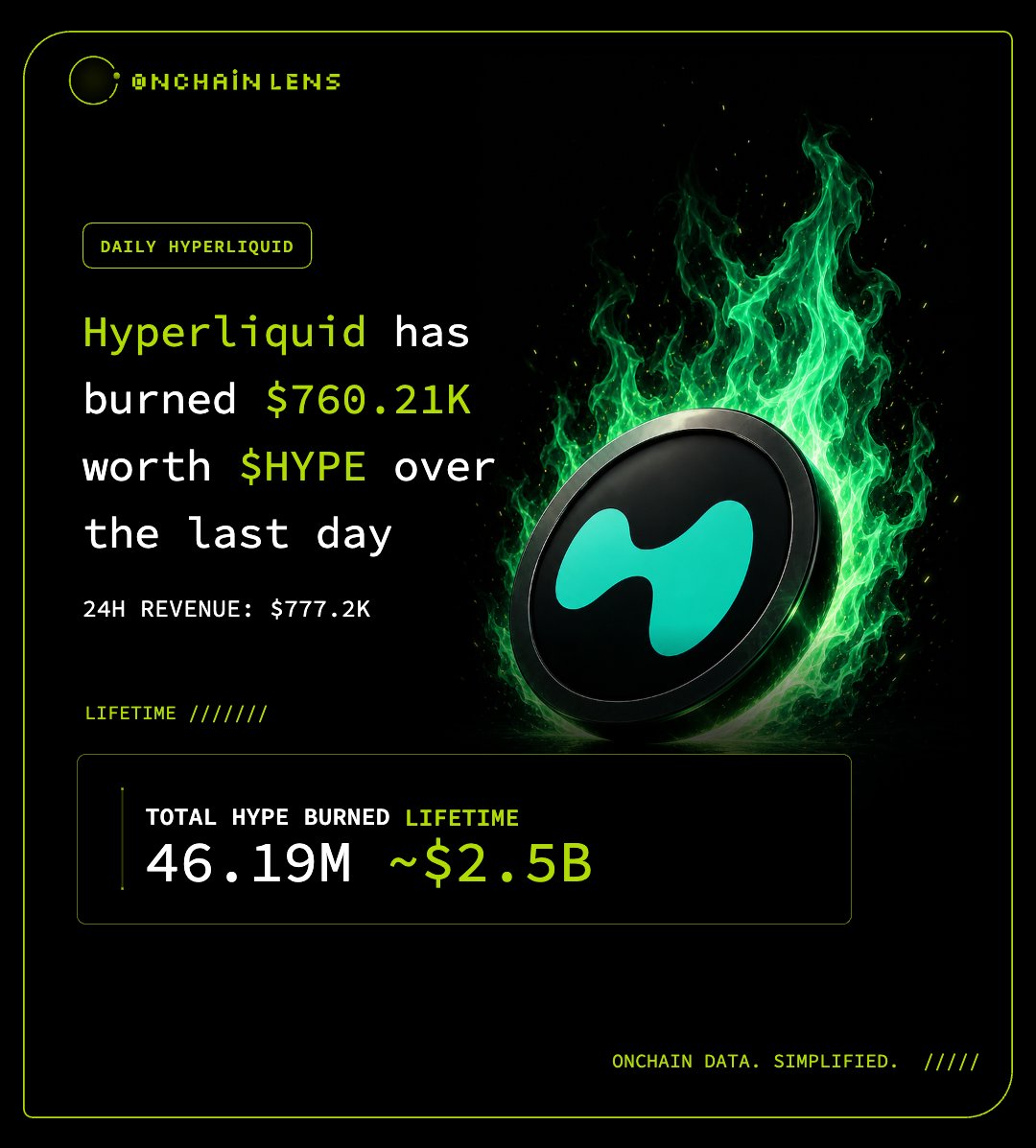
Hyperliquid burned ~$760.21K worth of $HYPE over the last 24 hours.
During the latest reporting window, $777.2K in revenue was directed toward the Assistance Fund and $HYPE holders.
All-time burn: 46.19M $HYPE (~$2.50B), representing 4.62% of the 1B max supply.
 16
1
2.5K
16
1
2.5K
 22.8K @CW8900
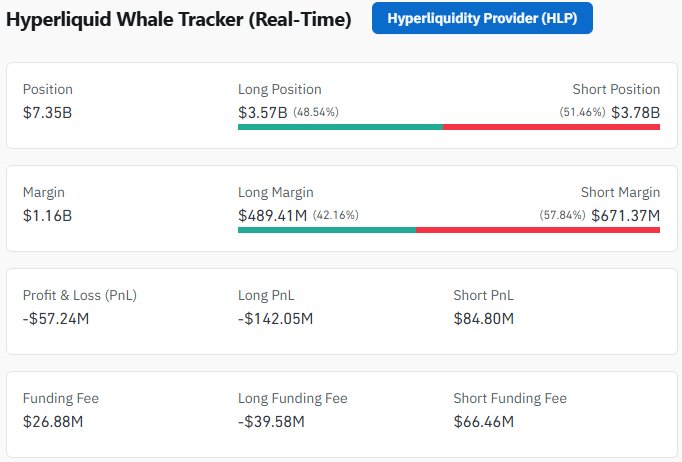
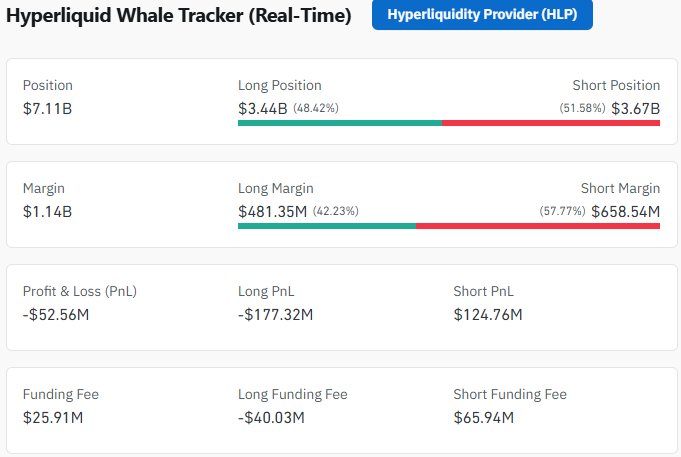
 The gap between Hyperliquid whales' long and short positions is narrowing.
The current gap is $0.21B. https://t.co/xNGx5gA09M
 22.8K @CW8900
 The gap between Hyperliquid whales' long and short positions is $0.23B.
The gap is gradually narrowing. https://t.co/4f1j3EYCmb
 7
0
1.3K
7
0
1.3K
