

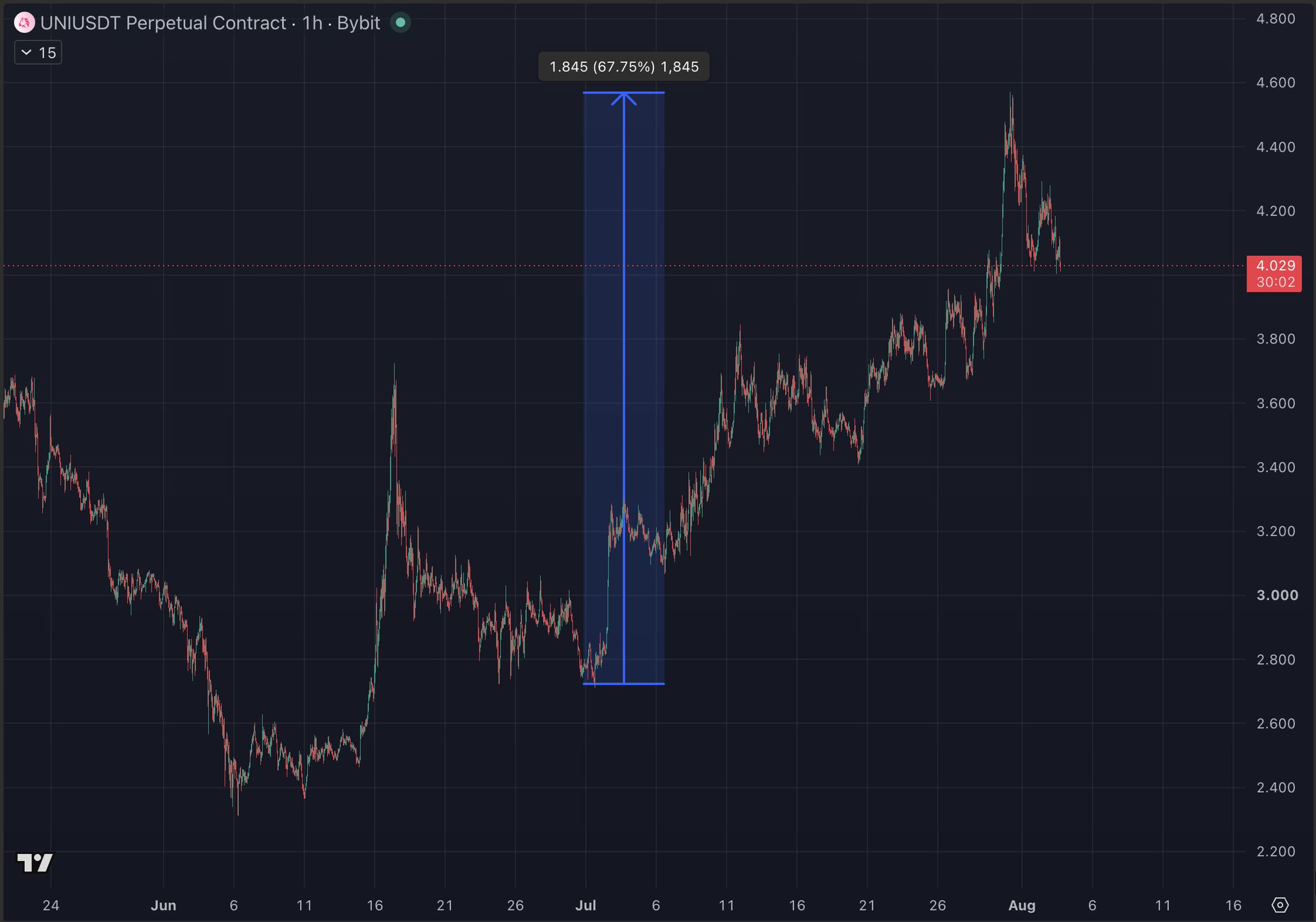
$UNI is probably cooked for a while
+67% in a month for a large cap with all catalysts exhausted now https://t.co/juJmlDQqF5


 61.4K @thedefivillain
 $UNI is probably cooked for a while
+67% in a month for a large cap with all catalysts exhausted now https://t.co/juJmlDQqF5
 20
20
 4
4
 2.2K
2.2K
 46.9K @mkbijaksana
 Live Result 3
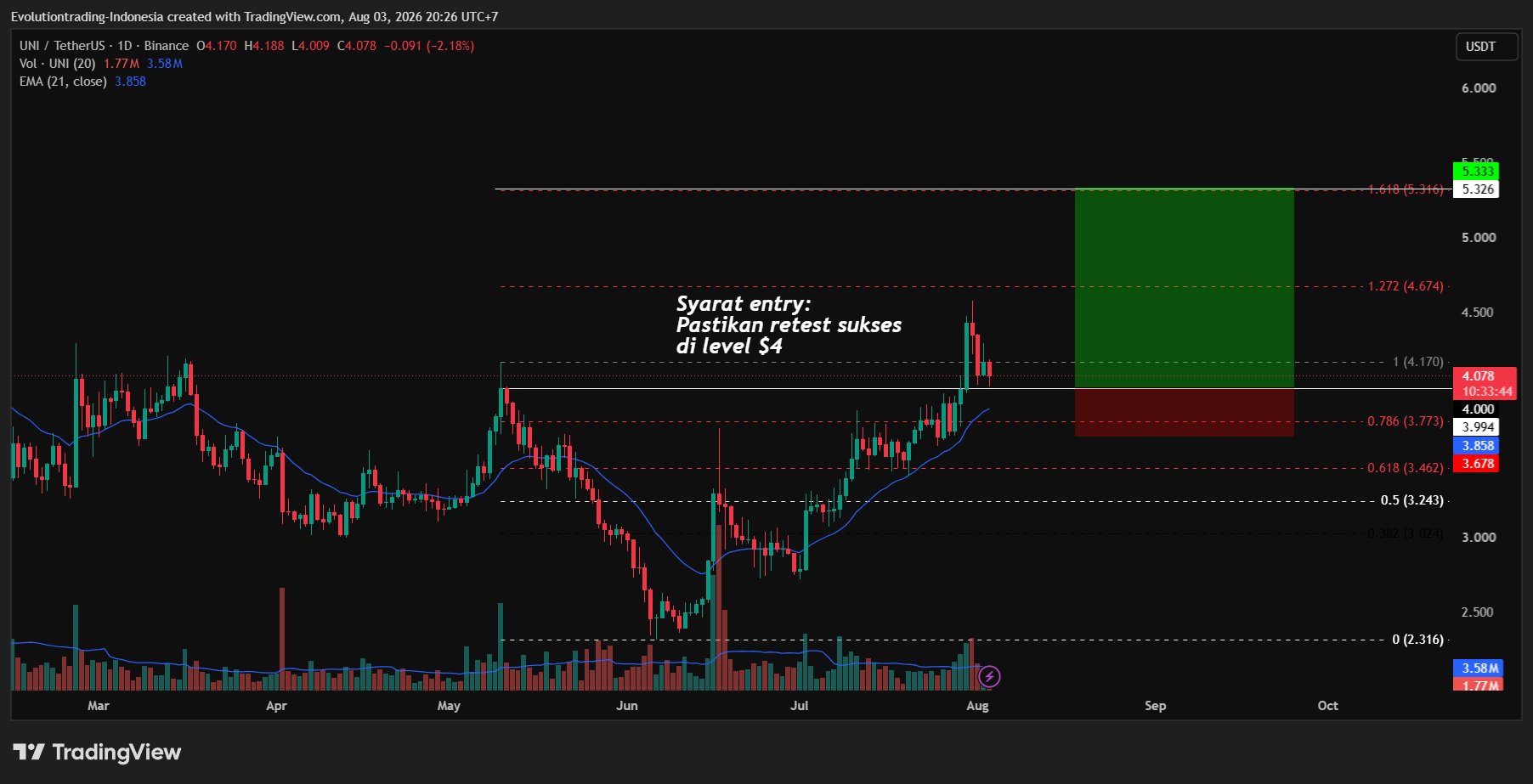
UNI:
Attached swing trading setup
Make sure to read the entry requirements first
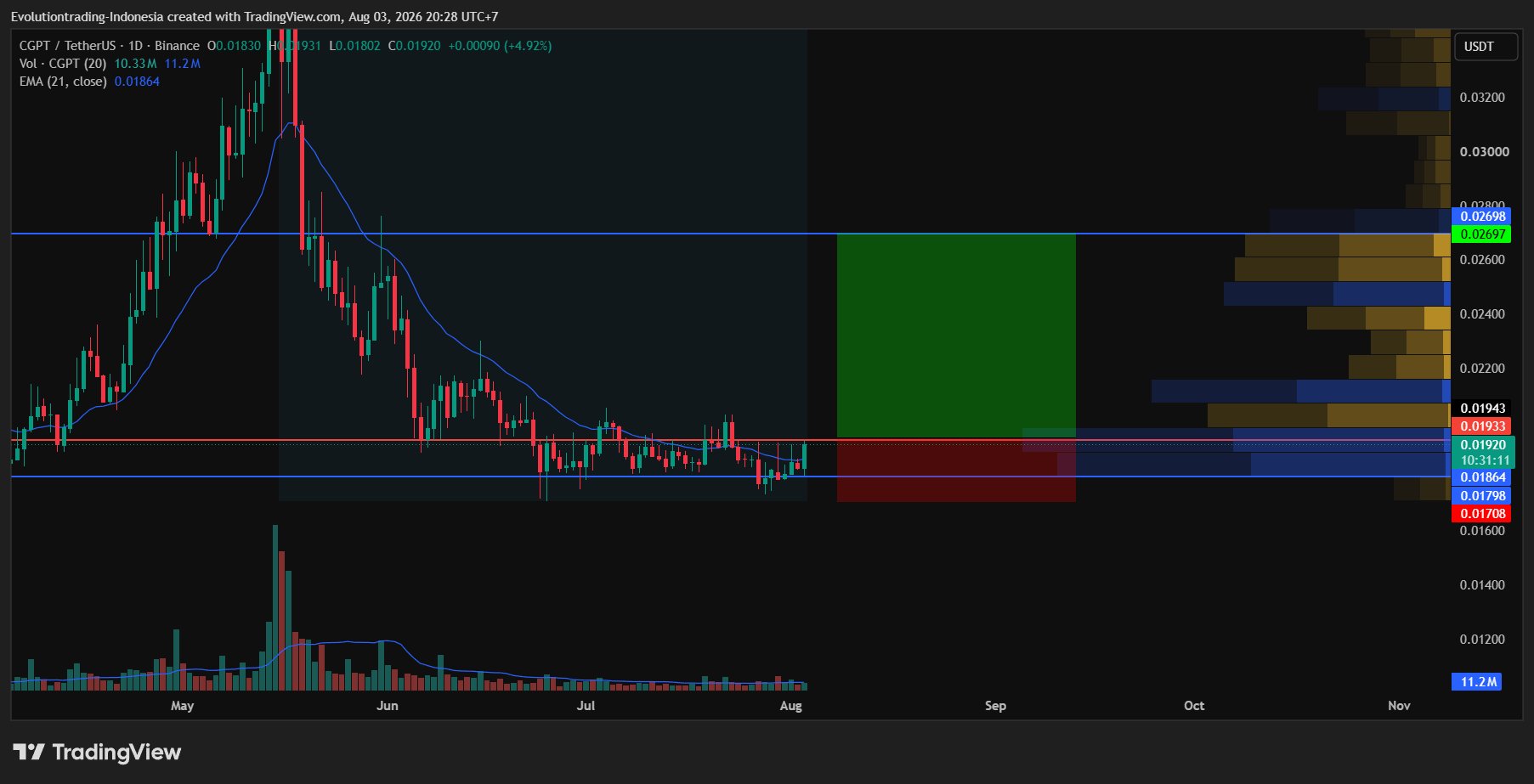
CGPT:
Attempting to break its POC
If successful, you can set up the plan as shown in the picture
Analysis explanation using Anchored Volume Profile: https://t.co/pj4ixWjX16 https://t.co/KxXiMgCA77
 46.9K @mkbijaksana
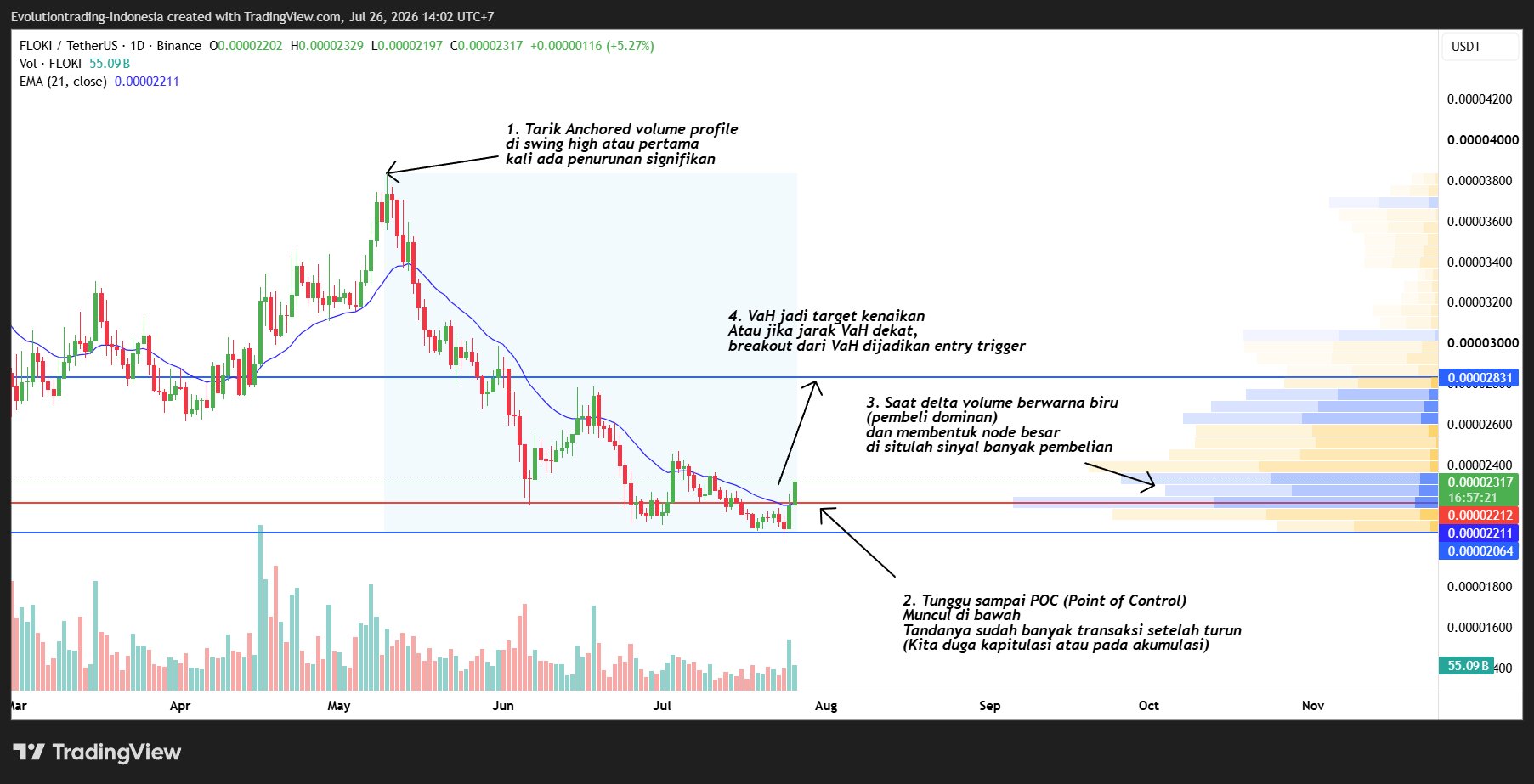
 Tutorial on hunting reversals using anchored volume profile.
This method is suitable for finding reversals in instruments that have dropped significantly; we look for when it turns around.
Principle:
Wait for the POC to indicate a shift of transaction volume to the downside, and the volume profile shows increased buying.
Study and discuss if anyone has questions.
NFA, for education.
Good luck!
Case study: Floki
 2
0
1.2K
2
0
1.2K
 52.1K @safetyth1rd
  17.3K @todayindefi
 Last week's DeFi moves:
@Uniswap fee switch live — up to 33% of fees now burn $UNI
@1inch launches Aqua — shared LP layer, no pool deposits
@OndoFinance launches its own execution network
@aaborave dropping 50 assets across 6 chains
Full details:
https://t.co/qfNb27yj6J
2
0
645
